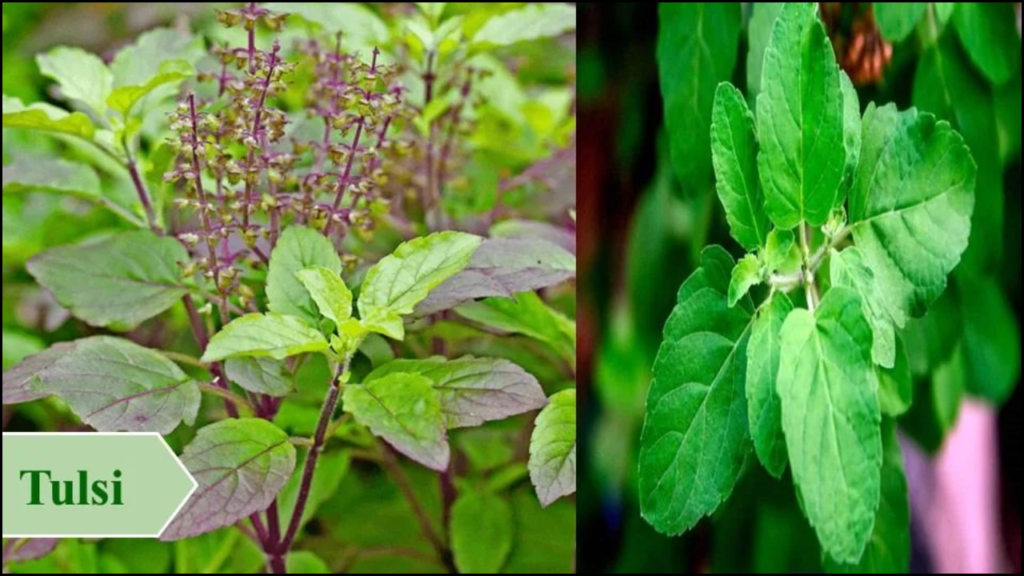
The use of medicinal plants as livestock feed additives has gained significant attention in recent years due to the growing demand for sustainable, antibiotic-free animal production. These plants offer natural bioactive compounds that can enhance animal health, improve growth performance, and reduce the prevalence of diseases. Incorporating medicinal plants into feed can serve as an alternative to synthetic additives, promoting welfare and productivity while minimizing chemical residues in animal products. Understanding the benefits, suitable plant species, and application strategies is essential for livestock managers and farmers aiming to optimize feed efficiency.
Table of Contents
Overview of Additives
| Aspect | Details |
|---|---|
| Common Plants | Neem, Garlic, Turmeric, Aloe Vera, Moringa |
| Bioactive Compounds | Alkaloids, flavonoids, terpenoids, essential oils |
| Benefits | Immunity boost, antimicrobial effect, digestion enhancement |
| Application | Feed supplementation, herbal extracts, dry powder |
| Target Animals | Poultry, cattle, sheep, goats, pigs |
Health Benefits
- Medicinal plants contain compounds that strengthen the immune system, reducing susceptibility to infections.
- Antimicrobial properties of plants like garlic and neem can help control pathogenic bacteria in the gut, improving gut health and nutrient absorption.
- Certain herbs, such as turmeric, have anti-inflammatory effects that can reduce stress-related ailments in livestock.
- Regular inclusion of medicinal plants in feed can minimize reliance on antibiotics and promote overall animal welfare.
The immunomodulatory effect of these plants is particularly beneficial in intensive farming systems, where disease pressure is higher. Improved gut microbiota and digestive efficiency contribute to better feed conversion ratios and growth rates, enhancing productivity.
Growth Performance
- Medicinal plant additives can stimulate appetite and improve feed intake in livestock.
- Bioactive compounds may enhance enzyme activity in the digestive tract, increasing nutrient utilization.
- Studies have shown that Moringa leaf powder and Aloe vera extracts can improve weight gain in poultry and ruminants.
- Consistent supplementation may lead to better feed efficiency and reduced feed costs over time.
Optimizing growth performance requires selecting the right plant species and proper dosing. Overuse or incorrect inclusion can lead to reduced palatability or minor toxicity, making careful management and scientific guidance essential.
Digestive Enhancement
- Many medicinal plants enhance rumen fermentation in ruminants, improving fiber breakdown and volatile fatty acid production.
- Essential oils from oregano, thyme, and garlic can positively influence gut microbiota, reducing pathogenic bacteria while promoting beneficial microbes.
- Improved digestion results in higher nutrient availability, supporting growth, milk production, and overall performance.
- Some plants act as natural antioxidants, protecting the gut lining and improving nutrient absorption efficiency.
Targeted use of digestive-enhancing plants can reduce gastrointestinal disorders such as diarrhea or bloating. Combining plants with complementary effects can provide multi-functional benefits in feed formulations.
Disease Prevention
- Certain medicinal plants exhibit strong antiviral, antibacterial, and antiparasitic properties, helping prevent livestock diseases.
- Neem and garlic are known for their activity against internal parasites and pathogenic bacteria.
- Herbs such as turmeric and fenugreek may reduce inflammatory responses and oxidative stress.
- Using plant-based additives can lower the occurrence of drug residues in meat, milk, and eggs, ensuring safer animal products for human consumption.
Integrating disease-preventive plants into feed reduces veterinary costs and supports sustainable livestock production. Continuous research identifies novel plants and combinations that maximize protective effects without harming animals.
Application Strategies
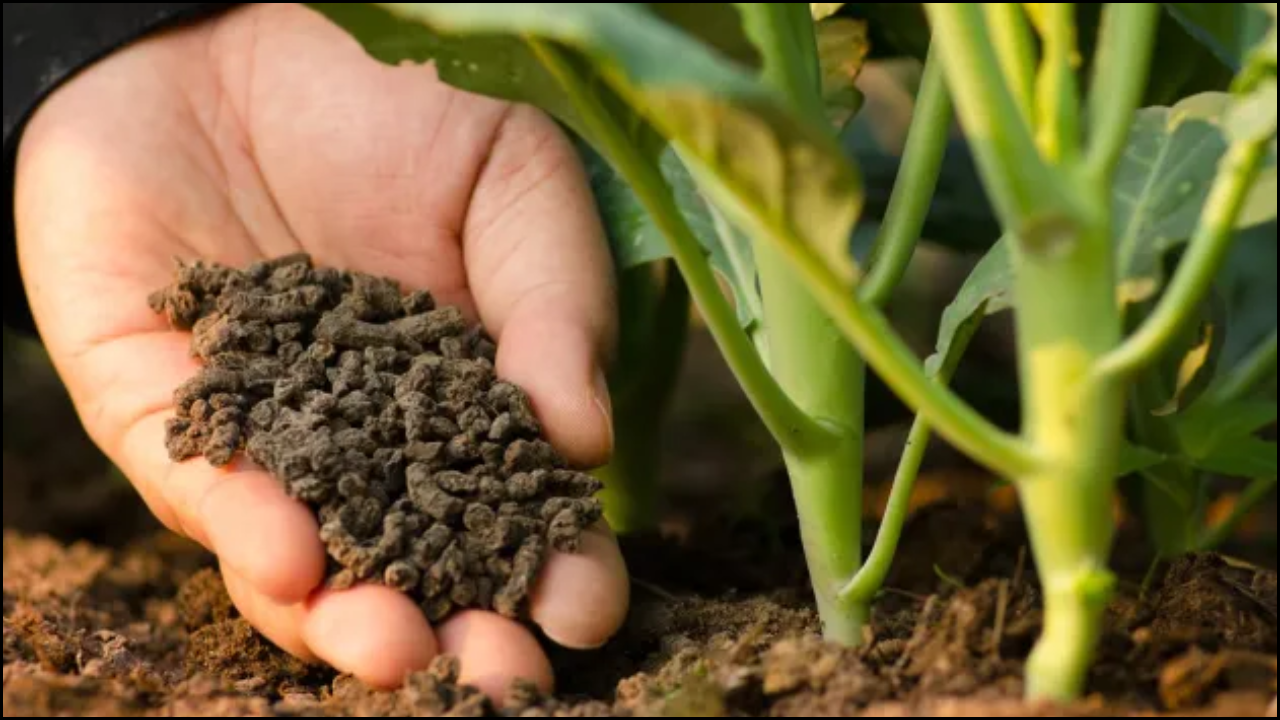
- Feed can be supplemented with dry plant powders, extracts, essential oils, or mixed pellets.
- Inclusion rates vary by plant species and target animal; careful formulation is necessary to avoid toxicity.
- Rotational or periodic supplementation may be more effective than constant inclusion.
- Proper storage and processing ensure the bioactive compounds remain active and stable in feed.
Farmers must consider species-specific responses, age, and production stage when using medicinal plants. Monitoring animal performance and health indicators helps fine-tune inclusion rates and combinations.
Economic Considerations
- Using medicinal plants may reduce dependence on expensive antibiotics and synthetic additives.
- Improved growth, feed efficiency, and disease resistance can increase profitability.
- Initial investment in plant cultivation, extraction, or sourcing may be higher, but it is offset by long-term benefits.
- Local cultivation of medicinal plants ensures a cost-effective and sustainable feed additive supply.
Integration of medicinal plants in livestock diets supports both economic and environmental sustainability. By reducing chemical inputs and enhancing productivity, farmers can achieve a balance between animal health, food safety, and profitability.
Final Thoughts
Medicinal plants offer a natural and sustainable approach to improving livestock health, growth, and feed efficiency. Their bioactive compounds provide immunity support, digestive enhancement, and disease prevention while minimizing reliance on synthetic additives. Proper selection, formulation, and management are key to achieving maximum benefits. Incorporating medicinal plants as feed additives aligns with modern livestock production goals, enhancing productivity, reducing costs, and promoting the health and welfare of animals.