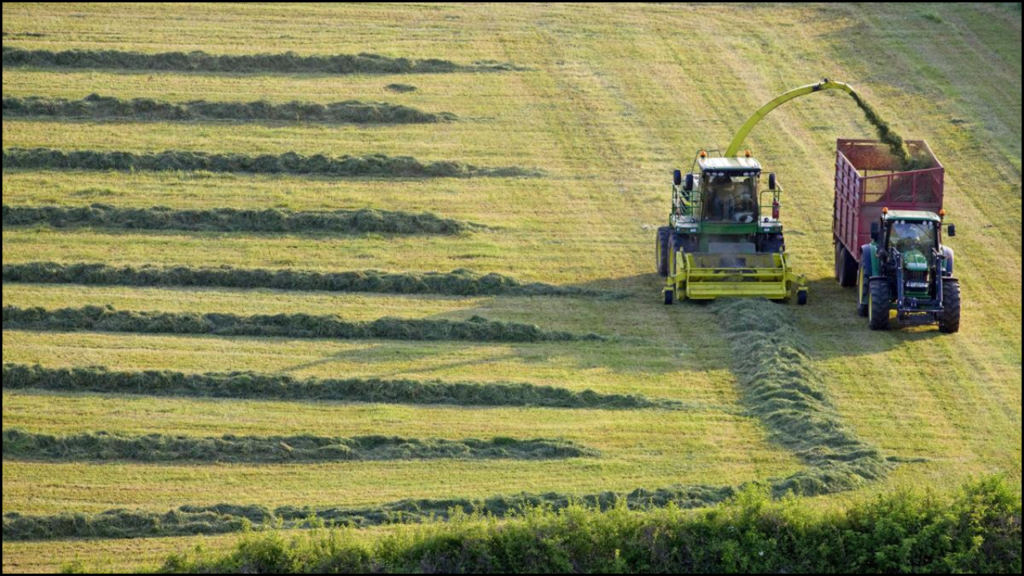
Harvesting time is one of the most critical factors affecting silage quality. The stage of crop maturity at harvest influences moisture content, nutrient composition, digestibility, and fermentation efficiency. Proper timing ensures that silage retains maximum energy and protein while minimizing nutrient losses and spoilage. For farmers and livestock managers, understanding the relationship between harvest timing and silage quality is essential to produce high-quality feed that supports animal health and productivity throughout the year.
Table of Contents
Overview of Harvesting
| Aspect | Details |
|---|---|
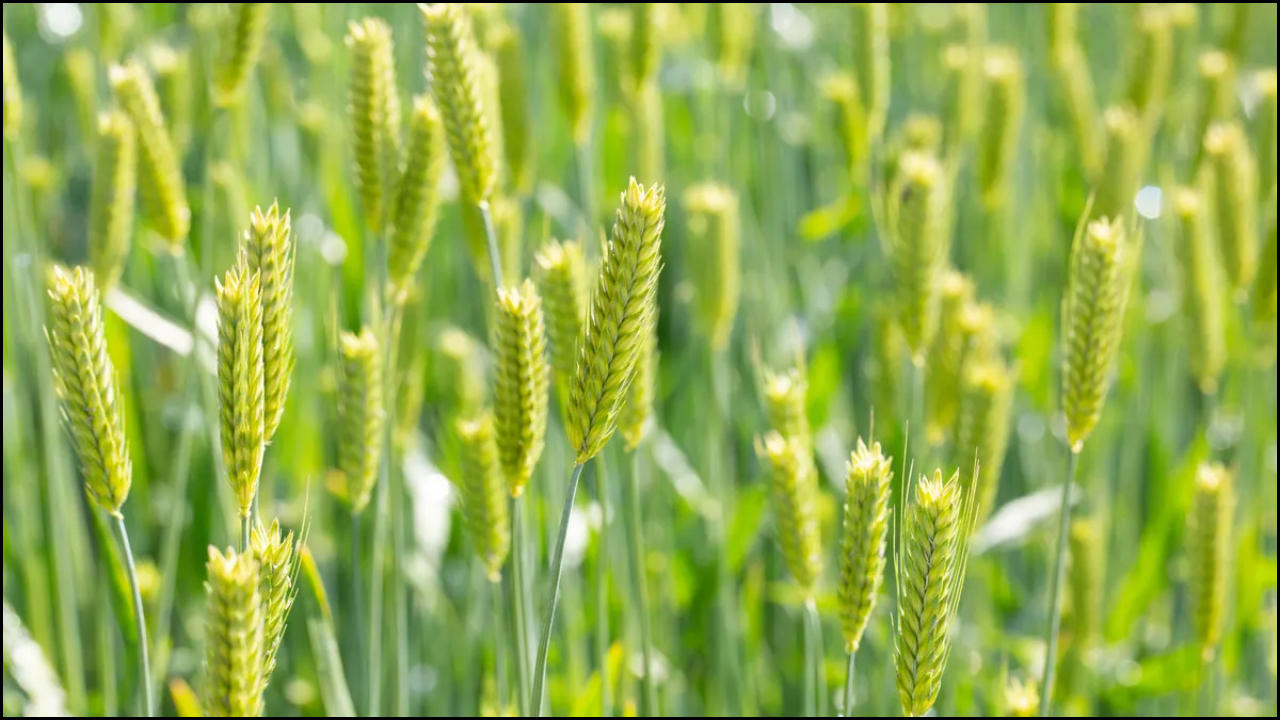
| Key Crops | Corn, Sorghum, Ryegrass, Alfalfa, Timothy |
| Optimal Moisture | 60–70% for most silages |
| Nutritional Impact | Crude protein, fiber, soluble sugars |
| Fermentation Quality | pH, lactic acid production, spoilage risk |
| Harvest Stage | Early, mid, late maturity |
Impact on Moisture Content
Moisture content at harvest is a critical determinant of silage quality. Crops harvested too early may have excessive moisture, leading to poor fermentation and nutrient leaching. Conversely, late-harvested crops may be too dry, reducing compaction and increasing the risk of mold development. Optimal moisture ensures proper fermentation, with sufficient lactic acid production to preserve nutrients.
Different crops have varying moisture requirements. For example, corn silage is typically harvested at 65–70% moisture, while alfalfa and ryegrass require slightly lower moisture content. Regular monitoring of crop moisture before harvesting helps achieve consistent silage quality and minimizes feed losses.
Nutritional Composition
Harvesting time strongly affects nutrient content, including crude protein, fiber, and soluble carbohydrates. Early-harvested silage generally has higher crude protein and lower fiber, improving digestibility. As crops mature, fiber increases while protein decreases, reducing overall feed quality.
Adjusting harvest timing allows farmers to balance yield and nutritional value. Early harvest may produce less biomass but higher-quality silage, whereas later harvest maximizes yield at the expense of protein and digestibility. Strategic planning is essential to meet the nutritional requirements of different livestock classes.
Fermentation Efficiency
Proper fermentation is critical for preserving silage and preventing spoilage. Harvesting at the correct stage ensures adequate soluble sugars, which are necessary for lactic acid bacteria to lower pH and stabilize the silage. Early or late harvesting can compromise fermentation, resulting in elevated pH, poor lactic acid content, and increased risk of spoilage organisms.
Ensuring uniform chopping and rapid ensiling after harvest further enhances fermentation. Additives such as inoculants may improve fermentation efficiency, especially if harvesting conditions deviate slightly from optimal. Consistency in fermentation translates directly into better feed intake and animal performance.
Palatability and Digestibility
Harvesting time influences the palatability and digestibility of silage. Early-harvested crops with lower fiber content are more easily consumed and digested by livestock, leading to higher feed intake and better nutrient utilization. Late-harvested silage with higher lignin content can reduce digestibility, slowing rumen passage and potentially limiting animal growth or milk production.
Monitoring animal response to silage is an effective way to assess palatability. Adjusting harvest timing and mixing silage from different maturity stages can improve the consistency and acceptability of feed. Proper management ensures livestock receive optimal nutrition throughout the feeding period.
Environmental Considerations
Harvest timing also affects environmental outcomes. Early harvesting may reduce biomass yield but lower nutrient runoff risks. Late harvesting increases yield but may lead to higher field losses or reduced nutrient conservation during storage. Balancing yield, quality, and environmental impact is essential for sustainable silage production.
Integrating soil testing and crop monitoring helps optimize harvest timing while minimizing environmental risks. Properly timed harvests reduce nutrient leaching, maintain soil health, and improve long-term pasture or crop productivity.
Management Practices
Effective silage management includes monitoring crop maturity, moisture content, and nutrient composition. Cutting intervals, field conditions, and weather forecasts influence the ideal harvest time. Combining timely harvesting with proper chopping, compaction, and storage ensures high-quality silage that maintains nutritional value and reduces spoilage.
Farmers should adopt routine sampling of crops before harvest to assess optimal maturity. This practice allows adjustment of harvesting schedules, improving both silage quality and livestock performance. Coordination with feeding plans ensures a consistent supply of high-quality forage throughout the year.
Summing Up
Harvesting time has a profound impact on silage quality, influencing moisture content, nutrient composition, digestibility, and fermentation efficiency. Early harvesting improves protein content and digestibility but may reduce yield, while late harvesting maximizes biomass but can compromise silage quality. Proper management, including monitoring crop maturity, moisture, and field conditions, is essential to optimize forage preservation. By aligning harvest timing with crop and livestock requirements, farmers can produce high-quality silage that enhances animal health, productivity, and farm profitability.