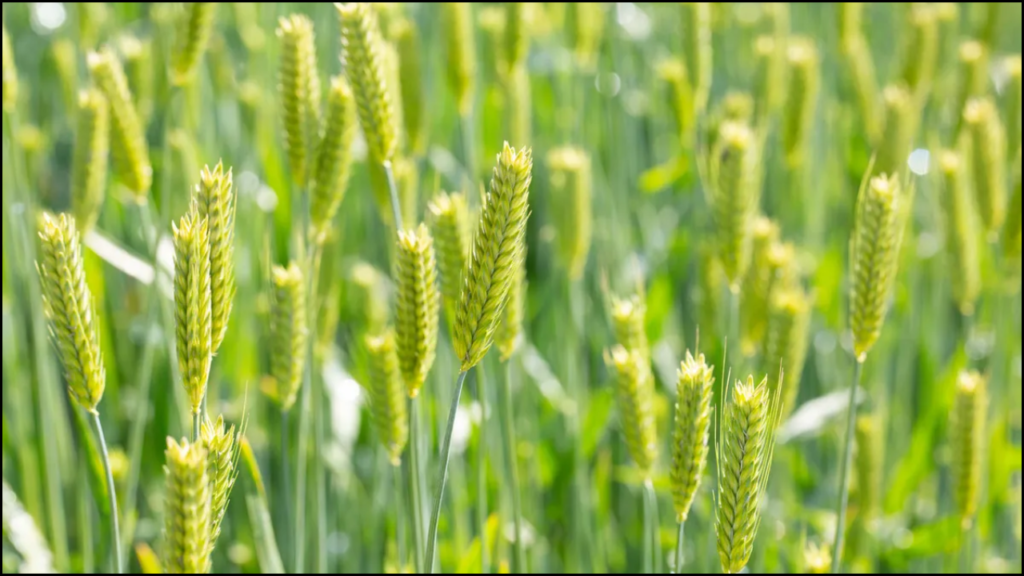
Forage crops play a pivotal role in sustainable livestock production by providing a consistent, high-quality source of feed while supporting soil health and ecosystem stability. These crops, including grasses, legumes, and forage mixtures, are integral to efficient livestock management, reducing dependence on costly concentrates and synthetic inputs. Utilizing forage strategically enhances animal productivity, promotes environmental sustainability, and contributes to long-term farm profitability. Understanding their role allows farmers to optimize grazing systems, improve feed efficiency, and maintain resilient agricultural landscapes.
Table of Contents
Overview of Forage
| Aspect | Details |
|---|---|
| Common Crops | Ryegrass, Alfalfa, Clover, Sorghum-Sudan, Timothy |
| Benefits | Soil fertility, feed quality, ecosystem services |
| Sustainability | Reduced chemical inputs, carbon sequestration |
| Application | Pasture grazing, silage, hay, mixed cropping |
| Target Livestock | Cattle, sheep, goats, poultry, buffalo |
Nutritional Benefits
- Forage crops provide essential nutrients, including crude protein, energy, fiber, and minerals, supporting growth, lactation, and reproduction in livestock.
- Legume-based forages like alfalfa and clover enhance protein content and improve digestibility compared to grass-only pastures.
- Balanced forage diets reduce the need for supplemental concentrates, lowering production costs.
- Seasonal variations can be managed by integrating fast-growing and slow-growing species to ensure a consistent nutrient supply.
High-quality forage contributes to better feed conversion ratios and improved animal health. Proper selection and management of forage species optimize both nutritional content and palatability, encouraging higher voluntary feed intake.
Environmental Sustainability
- Forage crops improve soil fertility through nitrogen fixation (legumes) and organic matter contribution, enhancing long-term productivity.
- Deep-rooted forages prevent soil erosion, enhance water infiltration, and support soil carbon sequestration.
- Mixed forage systems increase biodiversity, promoting beneficial insects, pollinators, and microbial activity.
- Reduced reliance on synthetic fertilizers and concentrates lowers greenhouse gas emissions from livestock production systems.
Strategically managed forage systems maintain ecological balance while providing feed security. Environmental benefits complement economic advantages, creating resilient farming practices suitable for future generations.
Economic Advantages
- Cultivating forage crops reduces feed costs by substituting expensive commercial concentrates with homegrown or pasture-based feeds.
- Improved livestock performance, including weight gain, milk production, and reproductive efficiency, directly enhances farm profitability.
- Forage crops can provide multiple harvests per year, offering both grazing and silage opportunities.
- Long-term pasture management reduces input costs associated with soil amendments and crop rotations.
Farmers adopting forage-based feeding systems benefit from both immediate feed savings and sustained economic gains through improved animal productivity and lower maintenance requirements.
Role in Animal Health
- Forage crops contribute to better digestive health due to high fiber content, promoting proper rumen function in ruminants.
- Diverse forage diets can reduce the incidence of metabolic disorders and digestive disturbances.
- Inclusion of bioactive compounds from certain legumes can enhance immunity and overall resilience.
- Access to fresh, palatable forage improves feed intake, supporting consistent growth and production.
A well-managed forage system supports preventive health measures, minimizing veterinary interventions and reliance on synthetic growth promoters.
Management Practices
- Rotational grazing ensures even pasture utilization, maintains forage quality, and prevents overgrazing.
- Intercropping grasses with legumes optimizes nitrogen use and maintains a balanced nutrient profile.
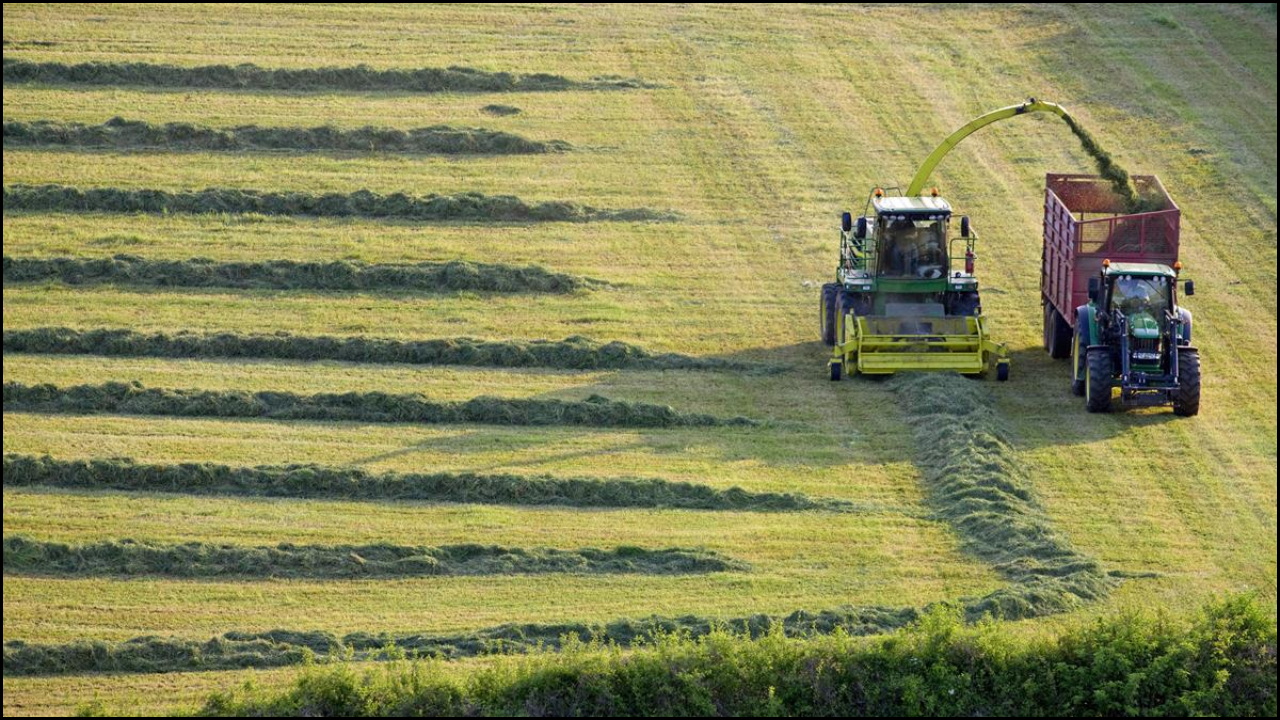
- The timing of harvest and proper storage for silage or hay preserves nutritional content and reduces wastage.
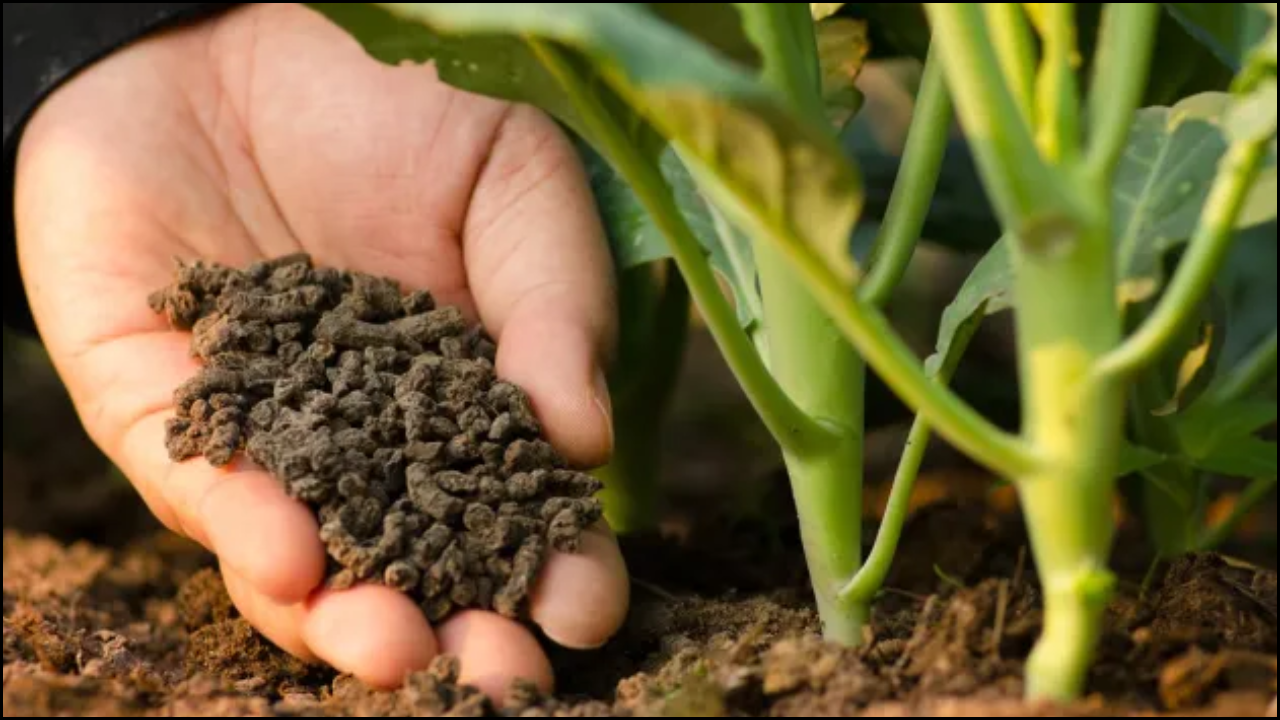
- Soil testing and fertility management maintain productivity and enhance the sustainability of forage systems.
Effective management integrates species selection, grazing schedules, and soil fertility practices, ensuring both high-quality feed and long-term environmental benefits.
Integration with Farm Systems
- Forage crops can be combined with cover crops to protect soil during off-season periods.
- Crop residues can be incorporated into livestock diets, reducing waste and enhancing feed efficiency.
- Mixed forage-livestock systems allow for diversified production, providing both animal products and ecosystem services.
- Forage-based rotational systems reduce dependency on external feed inputs and promote farm resilience.
Integrating forage crops within broader farm systems enhances sustainability, supports circular resource use, and strengthens economic and ecological outcomes.
Key Takeaways
Forage crops are fundamental to sustainable livestock production, offering nutritional, environmental, and economic benefits. By providing high-quality feed, improving soil health, and reducing external inputs, forages support resilient and profitable farming systems. Proper management, including species selection, rotational grazing, and harvest timing, maximizes their impact. Incorporating legumes, mixed species, and appropriate storage techniques ensures a consistent feed supply, better animal health, and improved productivity. Sustainable forage practices align livestock production with environmental stewardship, ensuring long-term viability and farm resilience.