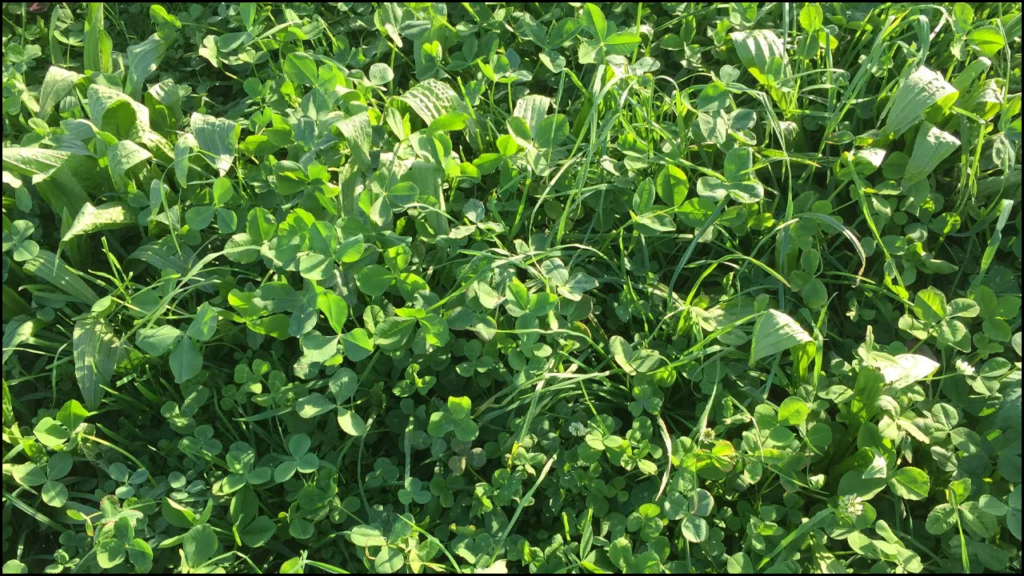
Integrating legumes with grasses in pastures is a widely adopted strategy to enhance forage yield, quality, and overall pasture sustainability. Legume-grass mixtures combine the benefits of nitrogen-fixing legumes with high-biomass grasses, improving soil fertility and nutrient availability. This approach supports higher livestock productivity by providing balanced nutrition, enhancing palatability, and extending grazing seasons. Understanding the interactions between different species in mixed stands is essential for optimizing forage production and farm profitability.
Table of Contents
Overview of Mixtures
| Aspect | Details |
|---|---|
| Common Legumes | Alfalfa, Clover, Vetch, Lotus |
| Common Grasses | Ryegrass, Timothy, Fescue, Bermuda Grass |
| Yield Benefits | Higher biomass, improved seasonal production |
| Nutritional Value | Increased crude protein, better digestibility |
| Management | Rotational grazing, cutting schedule, seeding ratio |
Yield Advantages
Legume-grass mixtures often produce higher forage yields compared to monocultures. Grasses contribute substantial biomass, while legumes enhance nitrogen availability, promoting vigorous growth. Studies indicate that mixtures of ryegrass with clover or alfalfa can increase total forage yield by 15–30% over grass-only pastures. Seasonal growth patterns are balanced, with legumes compensating for periods when grass growth slows, ensuring a more continuous forage supply.
In addition to total biomass, mixtures can improve regrowth rates after harvest or grazing. Legumes’ nitrogen-fixing ability reduces dependence on synthetic fertilizers, lowering production costs while maintaining high productivity. This synergy between species is especially beneficial in regions with nutrient-poor soils.
Nutritional Improvements
Integrating legumes improves forage protein content and digestibility. Legumes like alfalfa and clover contain higher crude protein than most grasses, raising the overall nutritional value of the mixture. Livestock consuming legume-grass pastures often show better weight gain, milk yield, and reproductive performance compared to those on grass-only diets.
Balanced forage also supports rumen health by combining fiber from grasses with the more rapidly degradable protein from legumes. This balance enhances microbial activity and nutrient absorption. Seasonal variations in nutrient content are smoothed by combining species with different growth rates, ensuring consistent quality throughout the year.
Species Compatibility
Successful legume-grass mixtures depend on species compatibility. Some grasses, such as ryegrass or Timothy, establish well with clovers, whereas Bermuda or fescue may require careful management to prevent legume suppression. Growth habits, shade tolerance, and water requirements must be considered to maintain a stable and productive mixture.
Competition between species can affect both yield and composition. Adjusting seeding ratios, planting density, and grazing management ensures that legumes do not dominate or decline excessively. Regular monitoring and reseeding may be necessary to maintain an optimal balance over multiple growing seasons.
Harvest Management
Cutting frequency and grazing intensity influence the performance of legume-grass mixtures. Frequent harvesting at optimal growth stages maximizes yield and maintains high-quality forage. For instance, harvesting ryegrass-clover mixtures at the early bloom stage of clover ensures good protein content while retaining sufficient grass biomass.
Rotational grazing supports regrowth and prevents overgrazing of legumes, which are more sensitive to defoliation than grasses. Proper management strategies also help control weeds, maintain species diversity, and extend the productive lifespan of the pasture.
Soil and Environmental Benefits
Legume-grass mixtures improve soil fertility through biological nitrogen fixation, reducing the need for chemical fertilizers. Root systems of legumes and grasses enhance soil structure, prevent erosion, and increase water infiltration. These benefits contribute to sustainable pasture systems and long-term environmental health.
Mixtures also support biodiversity, attracting pollinators and beneficial insects. By maintaining a variety of plant species, pastures are more resilient to drought, pests, and disease. This ecological advantage translates into more reliable forage production over time.
Economic Considerations
Higher yields and improved quality from legume-grass mixtures can increase farm profitability. Reduced fertilizer inputs, better livestock performance, and extended grazing seasons lower operational costs and enhance returns. However, initial establishment costs may be higher due to seed selection, inoculation of legumes, and careful seeding practices.
Economic benefits are maximized by optimizing species choice, seeding ratios, and management schedules. Long-term monitoring and adaptive strategies ensure that both yield and quality remain high, supporting sustainable livestock production systems.
Closing Perspectives
Legume-grass mixtures provide significant advantages for forage yield, quality, and sustainability. By combining the nitrogen-fixing ability of legumes with the high-biomass potential of grasses, farmers can achieve higher yields, better nutrient balance, and longer grazing seasons. Proper species selection, planting ratios, and management practices are essential to realize these benefits. Emphasizing mixed pastures supports livestock productivity, improves soil health, and enhances farm profitability, making it a highly effective approach for modern forage production.