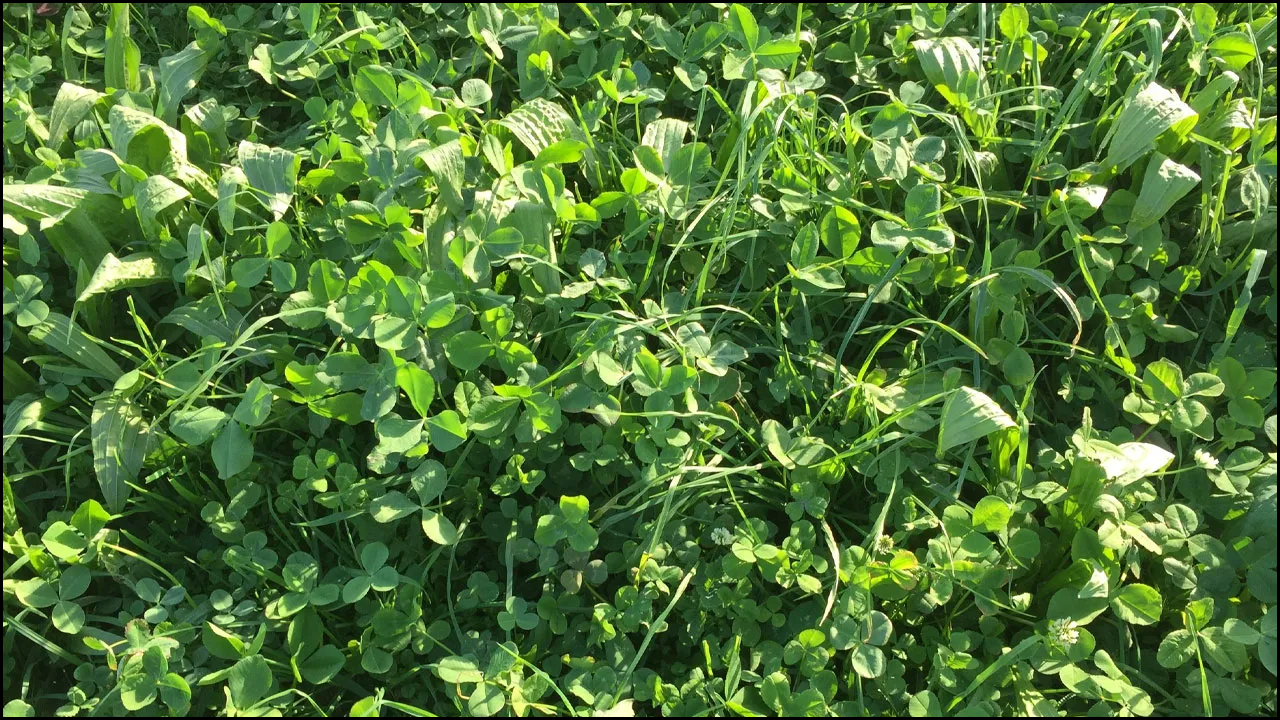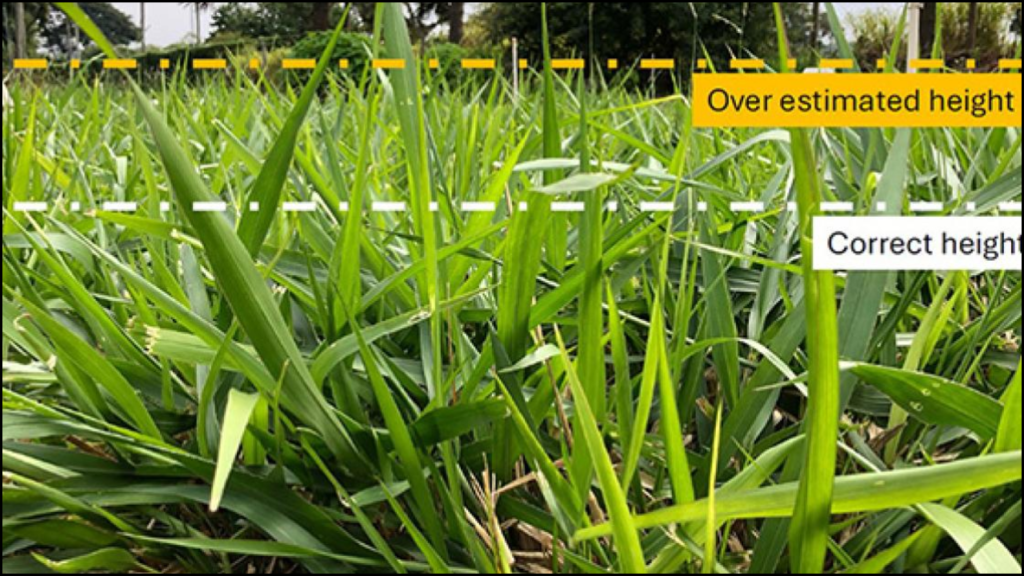
Forage quality plays a crucial role in livestock nutrition, influencing both animal health and productivity. Different grass species vary significantly in their nutritional content, digestibility, and palatability. Understanding these differences allows farmers and livestock managers to select the most suitable grasses for pasture, silage, or hay production. With the increasing demand for high-quality feed, evaluating forage quality has become an essential practice in modern animal husbandry.
Table of Contents
Overview of Grass Quality
| Aspect | Details |
|---|---|
| Species Studied | Ryegrass, Bermuda grass, Timothy, Fescue, Sorghum-Sudan |
| Key Nutrients | Crude protein, fiber, minerals, energy content |
| Digestibility | Varies by species and maturity stage |
| Palatability | Affects livestock feed intake |
| Application | Pasture grazing, silage, hay production |
Crude Protein
Crude protein (CP) is a fundamental component of forage quality, providing essential amino acids for livestock growth and milk production. Grasses such as ryegrass and clover typically exhibit higher CP levels compared to mature fescue or Bermuda grass. Seasonal variations and maturity stages also influence protein content, with younger plants generally offering higher CP. Monitoring CP allows farmers to balance rations and improve animal performance.
Protein content directly affects rumen function and microbial activity. Low-protein forages may necessitate supplementation with concentrates or legumes to meet the dietary requirements of livestock. Selecting grass species with naturally higher CP can reduce feed costs while maintaining optimal nutrition, especially for dairy and high-producing animals.
Fiber Content
Fiber, primarily measured as Neutral Detergent Fiber (NDF) and Acid Detergent Fiber (ADF), is a key determinant of forage digestibility. High fiber levels can limit feed intake and energy availability, while moderate fiber ensures proper rumen function. Grasses like Bermuda and mature fescue tend to have higher NDF, reducing digestibility, whereas ryegrass and sorghum-sudan hybrids typically present lower fiber levels when harvested early.
Understanding fiber dynamics helps in planning cutting schedules and feed strategies. Early harvesting reduces fiber content, improving palatability and digestibility, whereas delayed harvest increases structural carbohydrates, which may be suitable for maintenance diets rather than high production systems. Proper management ensures forage meets the nutritional needs of livestock efficiently.
Mineral Composition
Minerals such as calcium, phosphorus, magnesium, and potassium are critical for livestock growth, reproduction, and overall health. Grass species differ in their mineral uptake, influenced by soil fertility and environmental conditions. For instance, Timothy grass often contains higher calcium, while sorghum-sudan may offer elevated potassium levels. Regular analysis ensures that grazing animals receive sufficient minerals, reducing deficiencies and associated health problems.
Supplementation strategies can complement species selection to achieve balanced mineral intake. Soil testing and fertilization also play a role in enhancing forage mineral content, ensuring that both pasture and harvested forage maintain optimal nutrient profiles. Attention to minerals is especially important for lactating animals and growing stock.
Digestibility Factors
Digestibility directly influences energy availability and animal performance. Factors affecting digestibility include grass species, maturity stage, and harvesting method. Younger plants usually contain more soluble carbohydrates and less lignin, leading to higher digestibility. Ryegrass and Timothy are considered highly digestible, whereas mature Bermuda and fescue may show reduced energy availability.
Optimizing digestibility involves timing harvests to capture peak nutrient content and using appropriate preservation methods. For silage production, proper wilting and fermentation help maintain digestibility, while hay drying must prevent excessive nutrient loss. Understanding species-specific digestibility patterns allows for precise feeding strategies to maximize animal growth and production efficiency.
Palatability Assessment
Palatability influences feed intake and is affected by taste, texture, and leaf-to-stem ratio. Livestock tend to prefer grasses with finer leaves and lower fiber content. Ryegrass and clover mixtures are often highly palatable, whereas coarse-stemmed fescue or mature Bermuda may reduce voluntary intake. Palatability assessment ensures animals consume sufficient quantities to meet nutritional requirements.
Adjusting species composition and cutting intervals can enhance palatability. Incorporating legumes or high-quality grasses in pastures can balance less-preferred species, improving overall intake. Regular observation of livestock feeding behavior provides practical insights into forage acceptance and suitability for different livestock classes.
Management Strategies
Effective forage management involves selecting species suited to climate, soil type, and livestock requirements. Rotational grazing, timely harvesting, and fertilization practices directly impact forage quality. Integrating high-protein, digestible species ensures a consistent nutrient supply and supports livestock performance throughout the year.
Diversifying grass species in pastures helps mitigate seasonal fluctuations in quality. Combining fast-growing, high-nutrient species with more resilient grasses improves pasture sustainability. Monitoring forage quality through periodic sampling and analysis allows farmers to make informed decisions about supplementation and harvest timing.
Final Analysis
Evaluating forage quality in different grass species is vital for efficient livestock nutrition and sustainable farming. Factors such as crude protein, fiber, mineral composition, digestibility, and palatability vary widely among species, influencing animal performance. Strategic species selection, proper harvest timing, and effective pasture management ensure that forage meets the nutritional demands of livestock while supporting long-term productivity. By prioritizing high-quality forage, farmers can optimize feed efficiency, enhance livestock health, and achieve better economic outcomes.