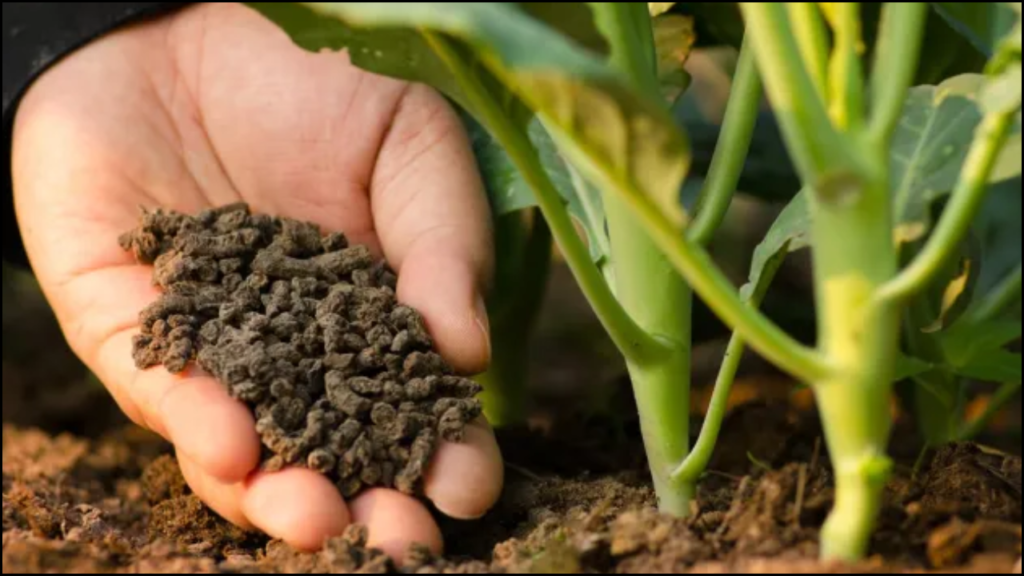
Fertilization is a key factor influencing forage crop productivity, affecting growth rate, nutrient content, and overall yield. Proper nutrient management ensures that grasses and legumes meet the nutritional needs of livestock while maintaining soil fertility. Both organic and inorganic fertilizers can enhance biomass production, improve palatability, and boost crude protein content. Understanding the influence of fertilization allows farmers to optimize input costs, sustain soil health, and achieve higher productivity in livestock feeding systems.
Table of Contents
Overview of Fertilization
| Aspect | Details |
|---|---|
| Fertilizer Types | Organic (manure, compost), inorganic (NPK) |
| Target Crops | Ryegrass, Alfalfa, Clover, Timothy, Sorghum-Sudan |
| Key Nutrients | Nitrogen, phosphorus, potassium, micronutrients |
| Benefits | Higher yield, improved protein, better digestibility |
| Application Methods | Soil incorporation, foliar spray, split application |
Nitrogen Effects
- Nitrogen (N) is the most critical nutrient for forage crops, stimulating leaf growth and biomass accumulation.
- Adequate nitrogen fertilization increases crude protein content, improving the feed value for livestock.
- Over-application may lead to excessive vegetative growth with higher fiber and reduced palatability.
- Split applications during the growing season optimize nitrogen use efficiency and minimize losses.
Nitrogen management must consider soil type, crop species, and environmental conditions. Proper application supports sustainable productivity while reducing the risk of nitrate leaching or environmental pollution.
Phosphorus and Potassium Benefits
- Phosphorus (P) enhances root development, flowering, and seed production in forage crops.
- Adequate phosphorus improves nutrient uptake efficiency and overall plant health.
- Potassium (K) strengthens cell walls, increases drought tolerance, and improves forage quality.
- Balanced P and K fertilization ensures higher yields without compromising digestibility or feed palatability.
Monitoring soil nutrient levels through regular testing helps determine the precise amount of P and K required, optimizing crop response and reducing fertilizer waste.
Organic Fertilizers
- Manure and compost provide both macro- and micronutrients while improving soil structure.
- Organic fertilization enhances microbial activity, nutrient cycling, and water retention in soil.
- Combining organic and inorganic fertilizers can improve forage yield and quality synergistically.
- Long-term use of organic amendments supports soil fertility and reduces dependence on synthetic inputs.
Organic fertilizers contribute to sustainable production by enhancing soil health, supporting resilient forage systems, and reducing environmental impact.
Application Strategies
- Fertilizers can be applied via soil incorporation, broadcasting, or foliar sprays, depending on crop type and growth stage.
- Split applications of nitrogen improve efficiency and reduce losses due to leaching or volatilization.
- Timing fertilization before peak growth stages maximizes nutrient uptake and biomass production.
- Matching fertilizer type and rate to forage species ensures optimal yield and nutrient content.
Strategic application planning supports consistent forage production while conserving resources and maintaining ecological balance.
Impact on Forage Quality
- Proper fertilization increases crude protein content, enhances digestibility, and maintains palatability.
- Nitrogen-rich fertilization increases the leaf-to-stem ratio, which improves feed intake in livestock.
- Balanced P and K fertilization supports mineral content, improving overall nutritional value.
- Fertilization management ensures high-quality forage across different growth stages and seasons.
Optimizing both yield and quality through precise nutrient management is critical to achieving efficient and sustainable livestock feeding systems.
Economic Considerations
- Fertilizer use can increase forage yield, reducing the need for expensive supplementary feed.
- Balanced application minimizes wastage and maximizes return on investment.
- Organic fertilizers reduce long-term input costs while enhancing soil fertility.
- Proper nutrient management improves livestock productivity, translating into higher farm profitability.
Farmers benefit from improved forage production, higher feed quality, and reduced operational costs through informed fertilization practices.
Looking Ahead
Fertilization is essential for maximizing forage crop productivity and nutritional value. Nitrogen drives vegetative growth and protein content, while phosphorus and potassium support root development, nutrient uptake, and stress tolerance. Combining organic and inorganic fertilizers enhances soil health and ensures sustainable production. Proper timing, application methods, and nutrient balance are key to achieving high yields, improved forage quality, and economic efficiency. Implementing effective fertilization strategies strengthens livestock feeding systems while supporting environmental sustainability.