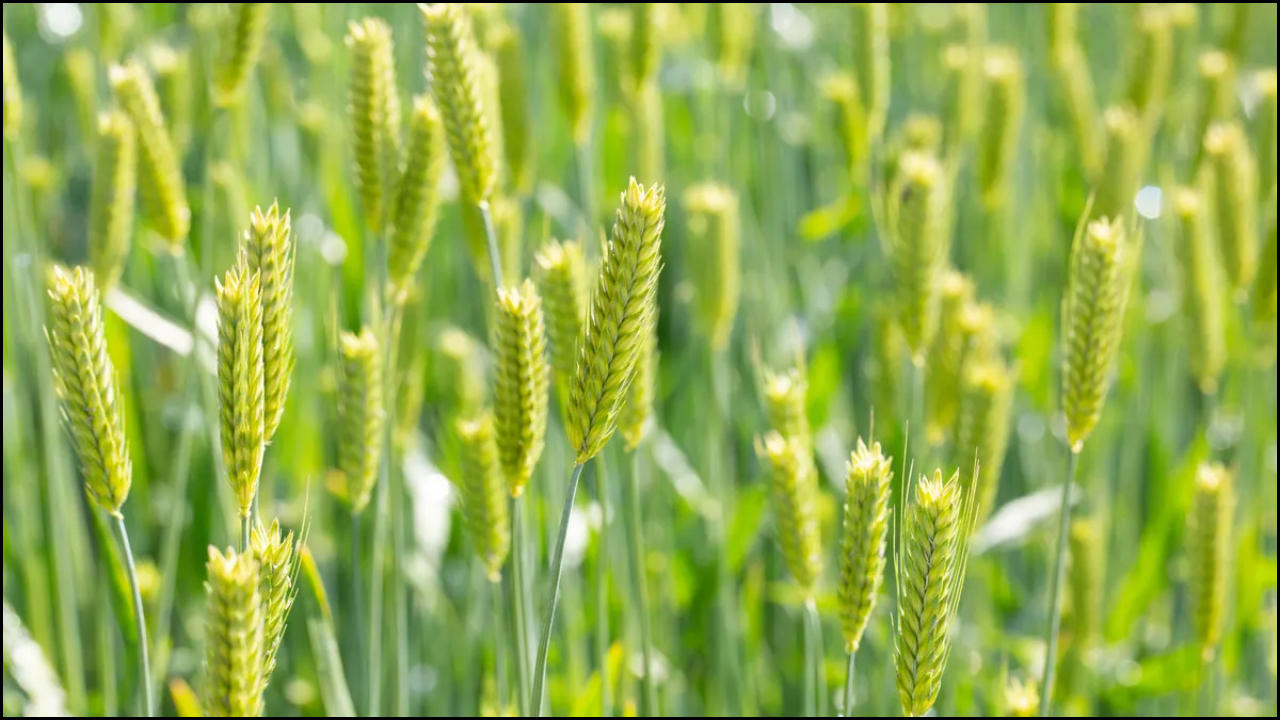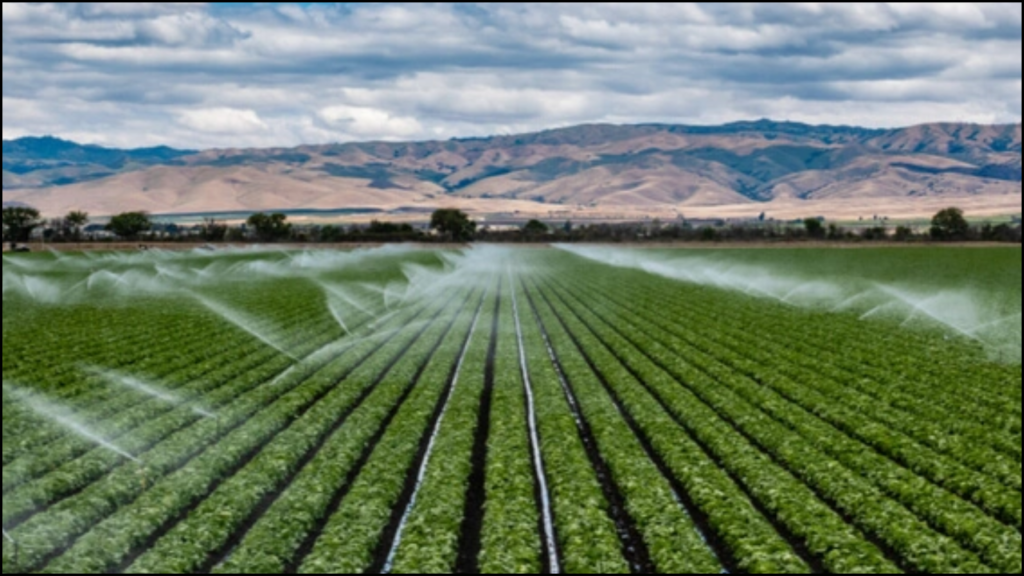
Wheat cultivation in semi-arid regions faces persistent challenges due to limited rainfall, high evaporation rates, and irregular climatic patterns. Efficient irrigation management becomes a critical factor in sustaining wheat yields while conserving scarce water resources. Optimizing irrigation practices not only supports crop growth at vital stages but also improves soil health and long-term farm sustainability.
Strategic water application, combined with modern monitoring techniques, allows farmers to balance productivity and resource conservation. This article explores key irrigation optimization methods specifically suited for wheat production in semi-arid environments, focusing on practical, sustainable, and yield-enhancing approaches.
Table of Contents
Overview: Key Irrigation Optimization Aspects for Wheat
| Aspect | Purpose |
|---|---|
| Water Scheduling | Match irrigation with crop growth stages |
| Soil Moisture Monitoring | Prevent over- or under-irrigation |
| Irrigation Methods | Improve application efficiency |
| Critical Growth Stages | Protect yield-determining phases |
| Water Conservation | Reduce losses and improve efficiency |
Water Scheduling
Effective water scheduling ensures that wheat receives adequate moisture when it is most needed without unnecessary wastage. In semi-arid regions, improper timing often leads to water stress during critical growth stages, reducing grain formation and overall yield. Scheduling irrigation based on crop demand rather than fixed intervals improves water-use efficiency significantly.
Scientific scheduling aligns irrigation events with stages such as crown root initiation, tillering, flowering, and grain filling. These phases are highly sensitive to moisture stress, and timely irrigation supports healthy plant development. By prioritizing these stages, farmers can maintain productivity even under limited water availability.
Soil Monitoring
Soil moisture monitoring plays a vital role in optimizing irrigation decisions. Understanding the moisture status of the root zone allows farmers to apply water only when necessary, avoiding both drought stress and waterlogging. This practice improves root development and enhances nutrient uptake efficiency.
Regular soil assessment also helps identify variability across fields. Different soil textures retain moisture differently, and monitoring supports site-specific irrigation adjustments. As a result, wheat crops experience uniform growth, reduced stress, and improved resilience against fluctuating weather conditions.
Irrigation Methods
Selecting appropriate irrigation methods directly influences water-use efficiency in semi-arid wheat systems. Traditional flood irrigation often results in high evaporation and runoff losses, making it less suitable for water-scarce environments. Improved methods deliver water more precisely to the root zone.
Modern techniques such as sprinkler and drip irrigation enhance uniformity and reduce water wastage. These methods also allow controlled application rates, minimizing soil erosion and nutrient leaching. Efficient irrigation systems support sustainable wheat production by maximizing the benefit derived from every unit of water applied.
Growth Stages
- The crown root initiation stage requires adequate moisture for root establishment
- Tillering stage determines the number of productive stems
- The flowering stage affects grain number and fertility
- The grain filling stage influences kernel weight and quality
Irrigating wheat at critical growth stages ensures that yield potential is fully realized. Moisture stress during early stages limits root development, while stress during reproductive stages directly reduces grain yield. Understanding these stages enables precise irrigation planning tailored to crop physiology.
Targeted irrigation reduces unnecessary water use while safeguarding yield-determining processes. This approach ensures that water inputs deliver maximum agronomic value, particularly in semi-arid regions where water resources are limited.
Water Conservation
- Reduced evaporation through timely irrigation
- Improved infiltration and reduced runoff
- Efficient use of limited water resources
- Enhanced long-term sustainability
Water conservation strategies complement optimized irrigation practices by minimizing losses. Applying irrigation during cooler periods reduces evaporation, while proper land leveling improves water distribution. These measures ensure that more water reaches the root zone rather than being lost to the environment.
Conservation-focused irrigation not only supports wheat productivity but also protects groundwater reserves. Over time, efficient water use contributes to stable farming systems capable of withstanding climatic variability common in semi-arid regions.
Technology Integration
Technological tools are increasingly supporting irrigation optimization in wheat farming. Weather-based advisory systems help predict crop water needs, while automated irrigation controllers adjust water delivery based on real-time data. These technologies reduce human error and improve decision accuracy.
Precision tools also support record-keeping and performance evaluation. By analyzing past irrigation outcomes, farmers can refine their strategies season after season. Technology-driven irrigation management enhances both productivity and sustainability in water-limited environments.
Final Thoughts
Optimizing irrigation practices for wheat in semi-arid regions is essential for balancing yield goals with water conservation. Strategic scheduling, soil moisture monitoring, efficient irrigation methods, and targeted watering at critical growth stages collectively improve water-use efficiency. When supported by conservation practices and modern technology, optimized irrigation ensures resilient wheat production and long-term agricultural sustainability.