Soil pH is a critical factor influencing the growth, nutrient uptake, and secondary metabolite production in medicinal herbs. Variations in pH affect the availability of essential nutrients, microbial activity, and overall plant health. Both acidic and alkaline soils can limit growth if the pH is not suitable for specific herb species. Understanding the relationship between soil pH and herb performance allows farmers and cultivators to optimize cultivation practices, maximize yield, and enhance the quality of bioactive compounds in medicinal herbs.
Table of Contents
Overview of Soil pH
| Aspect | Details |
|---|---|
| Optimal pH Range | 6.0–7.5 for most herbs |
| Target Herbs | Basil, Rosemary, Mint, Lemon Balm, Holy Basil |
| Effects | Nutrient availability, root growth, secondary metabolite synthesis |
| Adjustment Methods | Lime application, sulfur treatment, organic amendments |
| Monitoring | Soil testing, pH meters, indicator strips |
Impact on Nutrient Availability
- Soil pH directly affects the solubility and availability of nutrients such as nitrogen, phosphorus, potassium, and micronutrients.
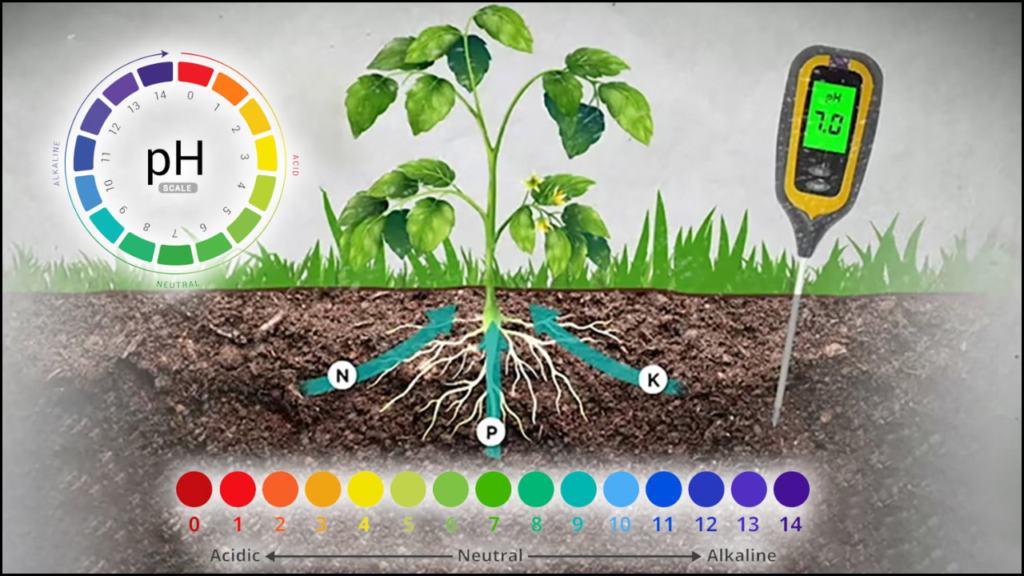
- Acidic soils (pH < 6) may limit the uptake of phosphorus, calcium, and magnesium, reducing herb growth.
- Alkaline soils (pH > 7.5) can restrict iron, manganese, and zinc availability, leading to chlorosis and stunted development.
- Maintaining optimal pH ensures balanced nutrient absorption, promoting healthy vegetative and reproductive growth.
Proper nutrient availability is essential for both biomass production and the synthesis of valuable secondary metabolites in medicinal herbs.
Species-Specific Responses
- Basil and Mint prefer slightly acidic to neutral soils (pH 6–7) for optimal growth and essential oil accumulation.
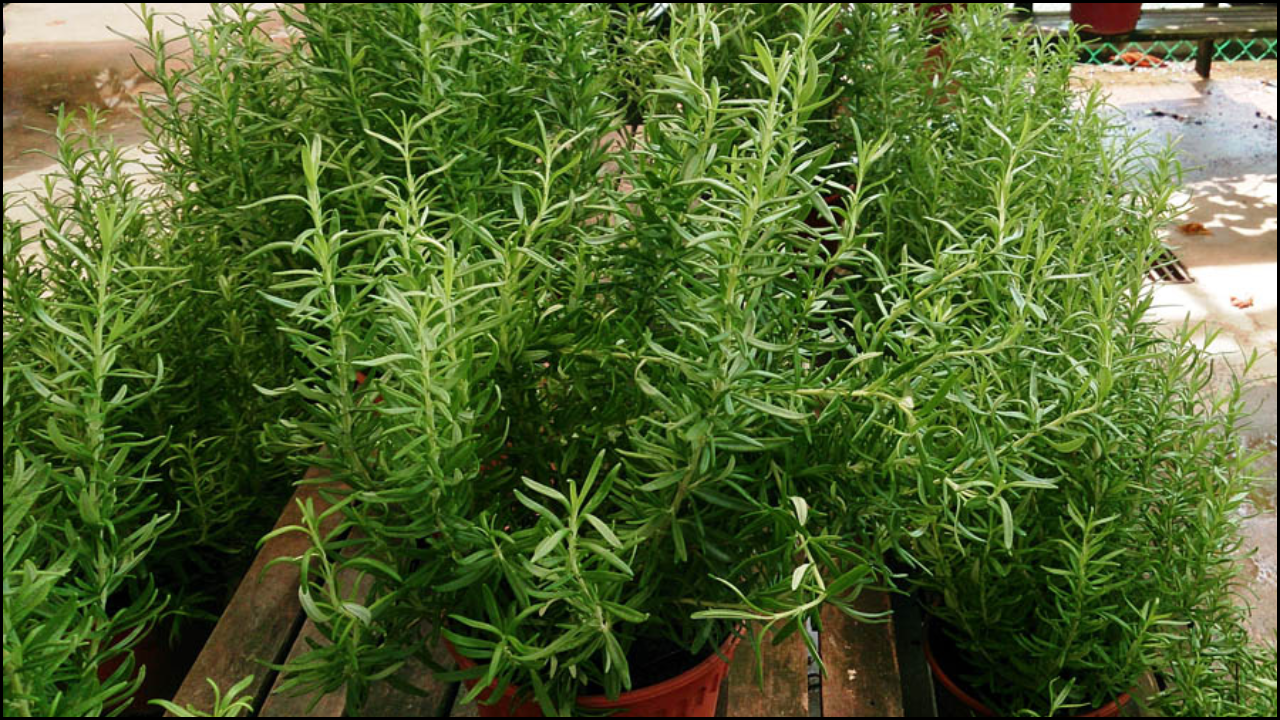
- Rosemary thrives in neutral to slightly alkaline soils (pH 6.5–7.5) with good drainage.
- Holy Basil shows tolerance to a wider pH range (6–7.5) but performs best near neutral conditions for maximum phytochemical content.
- Lemon Balm grows well in slightly acidic soils but may exhibit reduced growth in highly alkaline conditions.
- Understanding species-specific pH preferences allows targeted soil management to enhance growth and bioactive compound yield.
Adjusting soil pH to match the specific requirements of each herb maximizes both plant health and medicinal value.
Effect on Root Development
- Soil pH influences root morphology, branching, and overall root biomass, affecting nutrient and water absorption.
- Acidic or highly alkaline soils can inhibit root elongation and fine root formation, limiting plant growth.
- Proper pH encourages healthy root systems, improving resistance to environmental stress and facilitating secondary metabolite synthesis.
- Strong root development supports sustainable cultivation by enhancing soil structure and microbial activity.
Roots play a key role in herb growth and phytochemical production, making pH management crucial for optimal performance.
Influence on Secondary Metabolites
- Soil pH affects the biosynthesis of essential oils, phenolics, flavonoids, and other bioactive compounds.
- Neutral to slightly acidic soils typically promote higher accumulation of essential oils in basil, mint, and rosemary.
- Extremes in pH can reduce secondary metabolite content, lowering medicinal and commercial value.
- Monitoring and adjusting soil pH ensures consistent quality in harvested herbs for therapeutic and culinary applications.
Balancing pH for optimal metabolite production enhances the functional and economic value of medicinal herbs.
Soil pH Adjustment Practices
- Acidic soils can be corrected using lime or dolomite to raise the pH gradually.
- Alkaline soils can be acidified using elemental sulfur, organic matter, or acid-forming fertilizers.
- Incorporating compost and organic amendments stabilizes pH fluctuations and improves soil fertility.
- Regular soil testing guides precise adjustments to maintain the optimal pH range for targeted herbs.
Effective soil pH management supports sustainable cultivation, ensuring healthy growth and high-quality herbal products.
Economic and Cultivation Benefits
- Maintaining optimal pH reduces nutrient deficiencies, limiting the need for excessive fertilizers.
- Healthy herbs with higher essential oil and phytochemical content command better market prices.
- Improved root systems and plant health reduce losses due to environmental stress and pests.
- Targeted pH management enhances productivity and ensures consistent quality, boosting profitability for growers.
Proper pH management combines agronomy with economic benefits, supporting both sustainable production and market competitiveness.
Final Analysis
Soil pH significantly influences the growth, nutrient uptake, and secondary metabolite production of medicinal herbs. Maintaining a pH range of 6.0–7.5 ensures optimal nutrient availability, robust root development, and high-quality bioactive compound accumulation. Species-specific adjustments and regular soil monitoring allow growers to tailor cultivation practices to herb requirements. By managing soil pH effectively, farmers can maximize yield, improve herb quality, and enhance economic returns, ensuring sustainable and profitable medicinal herb production.