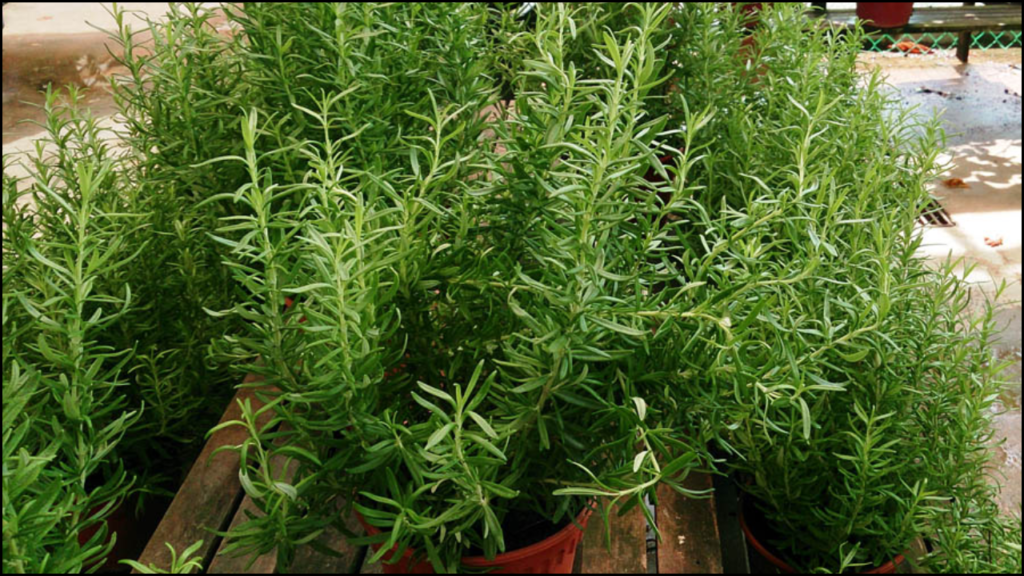
Rosemary (Rosmarinus officinalis) is a widely used aromatic and medicinal herb valued for its antioxidant compounds, which play a significant role in food preservation, health supplements, and therapeutic applications. The antioxidant potential varies among rosemary cultivars due to differences in genetic composition, phytochemical content, and cultivation conditions. Evaluating the antioxidant properties of different cultivars allows growers, researchers, and the food industry to identify high-performing varieties and optimize their use for functional products and livestock feed additives.
Table of Contents
Overview of Cultivars
| Aspect | Details |
|---|---|
| Common Cultivars | ‘Arp’, ‘Tuscan Blue’, ‘Salem’, ‘Blue Lagoon’, ‘Moroccan’ |
| Primary Antioxidants | Rosmarinic acid, carnosic acid, carnosol, flavonoids |
| Applications | Culinary, medicinal, preservative, and livestock feed |
| Factors Affecting Antioxidants | Genetics, harvest stage, environmental conditions |
| Extraction Methods | Hydrodistillation, solvent extraction, supercritical CO₂ |
Variation Among Cultivars
- ‘Arp’ cultivar is known for high rosmarinic acid content, contributing to strong antioxidant activity.
- ‘Tuscan Blue’ shows elevated carnosic acid levels, making it suitable for food preservation applications.
- ‘Salem’ and ‘Blue Lagoon’ cultivars provide a balanced mix of flavonoids and phenolic compounds.
- ‘Moroccan’ rosemary exhibits moderate antioxidant activity but has a unique essential oil profile valued in aromatherapy.
- Selecting cultivars with superior antioxidant potential enhances the efficacy of rosemary in functional applications.
Cultivar selection directly impacts the concentration of bioactive compounds and the overall antioxidant effectiveness of the plant material.
Influence of Harvest Stage
- Antioxidant content generally peaks at the flowering stage when secondary metabolite synthesis is highest.
- Early harvest may result in lower phenolic and flavonoid content but higher leaf biomass.
- Delayed harvest may reduce antioxidant levels due to plant senescence and exposure to environmental stress.
- Multiple harvests during optimal growth stages can maintain a steady supply of high-antioxidant material.
Timing harvests based on phytochemical accumulation is crucial for maximizing antioxidant yield and functional value.
Environmental and Cultivation Factors
- Sunlight intensity, temperature, and soil fertility influence the biosynthesis of antioxidant compounds in rosemary leaves.
- Well-drained, moderately fertile soils promote optimal growth and phenolic content.
- Water stress may induce higher production of certain antioxidants, but prolonged drought can reduce overall biomass.
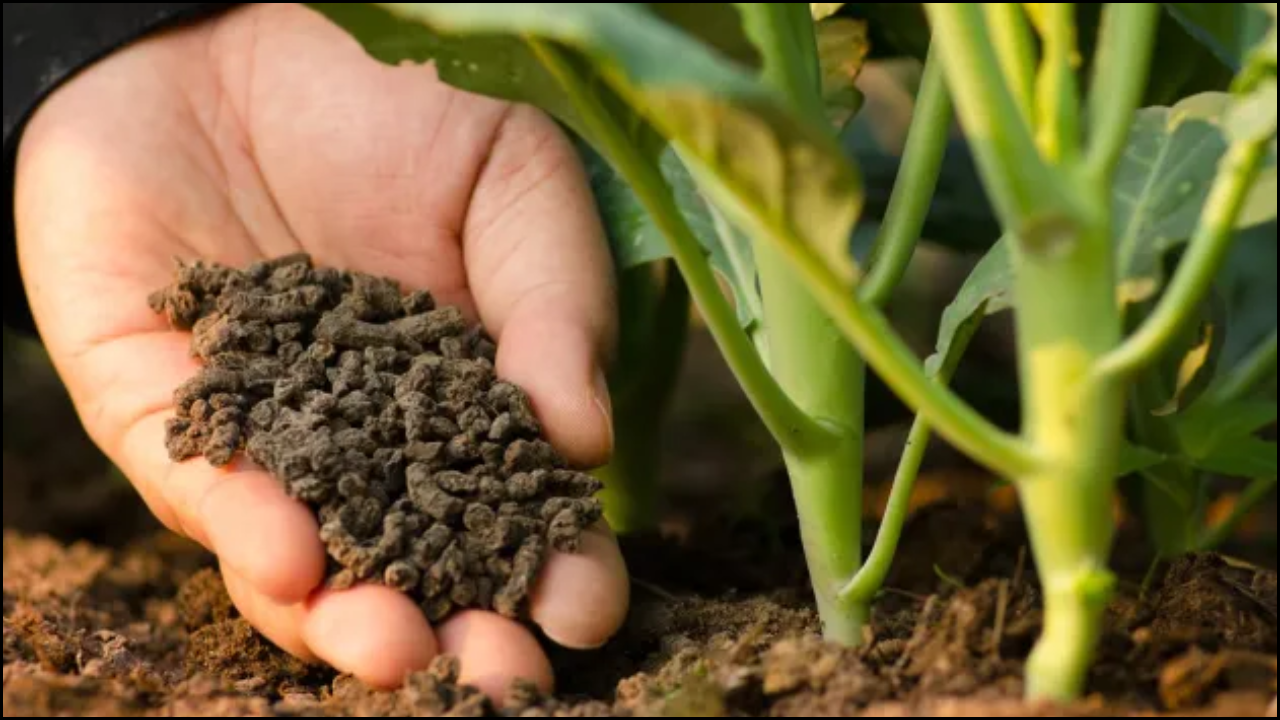
- Organic fertilization and integrated pest management support plant health and enhance antioxidant accumulation.
Cultivation practices tailored to environmental conditions can optimize both yield and antioxidant potency of rosemary cultivars.
Extraction and Assessment Methods
- Common extraction methods include solvent extraction (methanol, ethanol), hydrodistillation, and supercritical CO₂ techniques.
- Antioxidant activity is typically assessed using assays like DPPH radical scavenging, ABTS, FRAP, and total phenolic content.
- Extraction efficiency varies with plant variety, age, and leaf processing methods.
- Standardized extraction ensures consistent results across different cultivars and applications.
Proper extraction and evaluation techniques allow accurate comparison of antioxidant potential between cultivars and provide reliable data for industrial or research use.
Applications and Benefits
- Rosemary antioxidants are widely used as natural preservatives in the food industry to prevent lipid oxidation.
- Phenolic compounds contribute to anti-inflammatory, antimicrobial, and health-promoting properties in dietary supplements.
- Inclusion in livestock feed can enhance animal health by improving oxidative stability and immune function.
- Cultivars with high antioxidant content are preferred for medicinal and cosmetic applications due to their potent bioactive properties.
Leveraging antioxidant-rich cultivars maximizes functional benefits and supports natural alternatives to synthetic additives.
Management Practices
- Optimal spacing and pruning improve sunlight penetration and air circulation, enhancing antioxidant synthesis.
- Regular monitoring of growth, soil nutrients, and water status maintains plant health and compound accumulation.
- Harvesting leaves during peak phytochemical periods and processing promptly preserves antioxidant quality.
- Rotating cultivars and integrating diverse planting ensures a consistent supply and mitigates pest or disease pressure.
Effective management combines agronomic practices with scientific evaluation to achieve high-antioxidant yield sustainably.
Closing Reflections
Antioxidant properties vary significantly among rosemary cultivars due to genetic, environmental, and management factors. Cultivars such as ‘Arp’ and ‘Tuscan Blue’ demonstrate superior rosmarinic and carnosic acid content, making them ideal for food, medicinal, and livestock feed applications. Harvest timing, environmental optimization, and proper extraction methods further enhance antioxidant yield. Selecting and managing high-performing rosemary cultivars ensures consistent bioactive quality, promoting health benefits, natural preservation, and sustainable utilization.