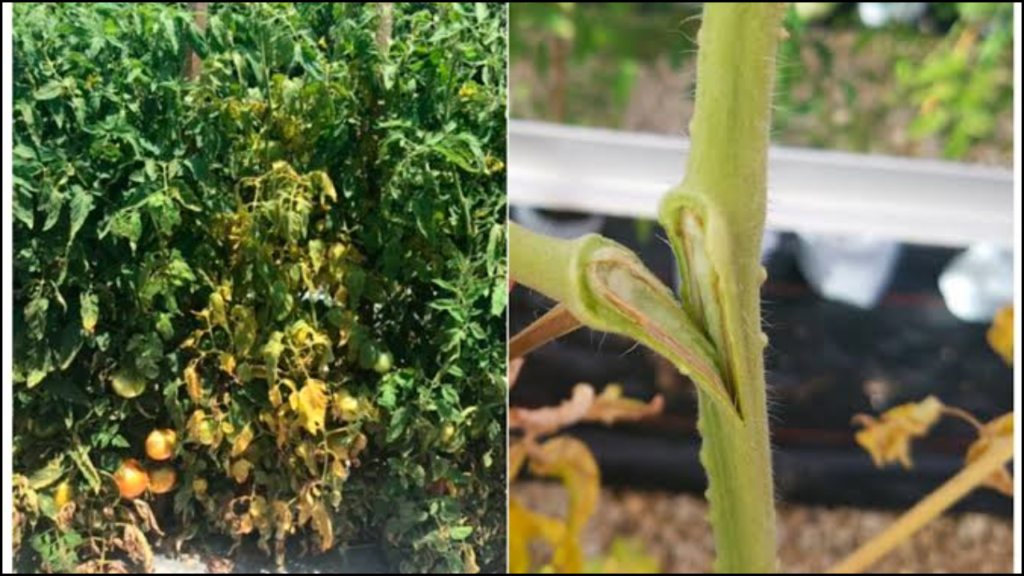
Tomato (Solanum lycopersicum) is a globally important vegetable crop, valued for its nutritional content, culinary versatility, and economic significance. However, tomato production faces severe challenges from Fusarium wilt, caused by the soil-borne fungus Fusarium oxysporum f. sp. lycopersici, which can lead to significant yield losses. Developing resistant tomato varieties is crucial for sustaining production and reducing dependence on chemical fungicides. Mutation breeding has emerged as an effective strategy to enhance tomato resistance against Fusarium, offering new genetic variations that can be exploited in breeding programs.
Table of Contents
Overview
| Aspect | Significance |
|---|---|
| Target Trait | Resistance to Fusarium wilt |
| Mutation Methods | Physical mutagens (radiation), chemical mutagens |
| Genetic Outcomes | Novel alleles, enhanced disease tolerance |
| Evaluation | Screening under controlled infection conditions |
| Breeding Impact | Integration into resistant cultivars, reduced yield losses |
Fusarium Wilt in Tomato
Fusarium wilt is a devastating disease that affects tomato roots and vascular systems, leading to yellowing, wilting, stunted growth, and plant death. The pathogen persists in soil for extended periods, making disease management challenging. Traditional control methods, including crop rotation, soil fumigation, and chemical fungicides, provide limited and temporary solutions. Resistant cultivars remain the most sustainable approach for long-term management.
The genetic resistance to Fusarium wilt is often governed by single or multiple resistance (R) genes. However, the available genetic pool in cultivated tomato varieties may be limited. Mutation breeding offers a way to expand this pool by generating novel genetic variations that can confer enhanced or broad-spectrum resistance.
Mutation Breeding Techniques
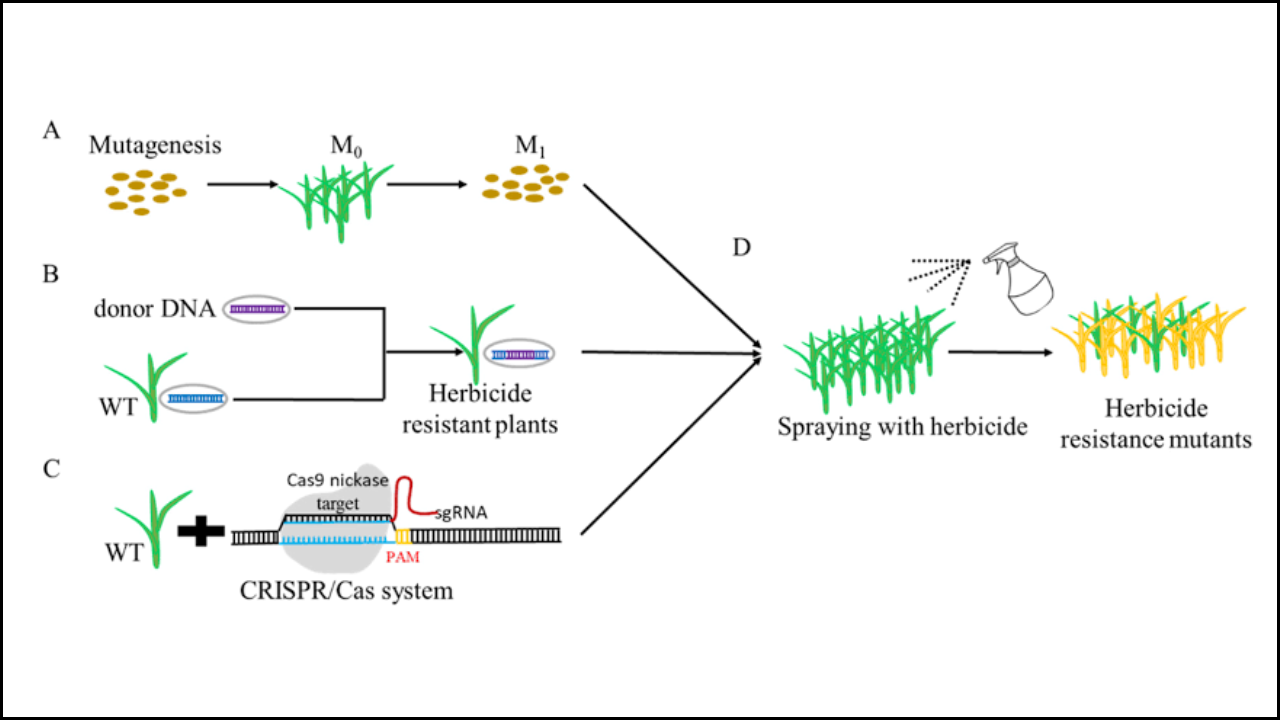
- Physical Mutagens: Gamma rays, X-rays, and fast neutrons induce DNA changes that result in new alleles.
- Chemical Mutagens: Agents such as ethyl methanesulfonate (EMS) and sodium azide create point mutations or small deletions in the genome.
- In Vitro Mutagenesis: Seeds, callus tissues, or seedlings can be treated with mutagens to produce genetic variation under controlled laboratory conditions.
These techniques introduce random genetic changes that may affect disease resistance, plant morphology, yield components, or other agronomic traits. Mutant lines are then screened for desirable traits, such as Fusarium resistance.
Screening for Resistance
After inducing mutations, tomato populations are exposed to Fusarium under controlled conditions. Plants are evaluated for symptoms such as wilting, vascular discoloration, and growth inhibition. Resistant individuals are identified and propagated for further breeding.
Screening protocols are designed to identify both complete and partial resistance. Partial resistance may reduce disease severity, allowing plants to survive infection while maintaining reasonable yield. Resistant mutants are crucial for integrating new resistance alleles into breeding programs.
Genetic Outcomes
Mutation breeding generates genetic diversity by creating novel alleles that may not exist in natural populations. In the context of Fusarium resistance, this can result in:
- Activation of defense-related genes
- Modification of cell wall components to prevent pathogen penetration
- Enhanced expression of antimicrobial compounds
- Improved vascular resilience to fungal colonization
These mutations provide new options for breeders to develop resistant cultivars with stable performance across diverse environments.
Integration into Breeding Programs
Resistant mutants obtained through mutation breeding are crossed with elite tomato lines to combine disease resistance with high-yielding and quality traits. Successive generations are selected for resistance, productivity, and desirable fruit characteristics. Marker-assisted selection can accelerate this process by tracking resistance alleles in breeding populations.
Integration of mutation-derived resistance ensures long-term durability, especially when combined with other resistance genes through gene pyramiding. This strategy reduces the likelihood of pathogen adaptation and breakdown of resistance.
Agronomic and Environmental Benefits
Developing Fusarium-resistant tomato varieties through mutation breeding has several advantages:
- Yield Stability: Resistant cultivars reduce crop losses and improve productivity.
- Reduced Chemical Use: Decreases reliance on fungicides, lowering production costs and environmental impact.
- Sustainability: Supports integrated pest management and environmentally friendly farming practices.
- Genetic Enrichment: Expands the genetic base of cultivated tomato for future breeding programs.
These benefits contribute to both economic and environmental sustainability in tomato production systems.
Challenges and Considerations
While mutation breeding is effective, it presents certain challenges:
- Mutations are random, requiring the screening of large populations to identify beneficial traits.
- Some mutations may cause undesirable changes in plant morphology, fruit quality, or yield.
- Stability of induced resistance must be tested across multiple generations and environments.
Careful evaluation, selection, and backcrossing with elite cultivars are essential to address these challenges.
Wrapping Up
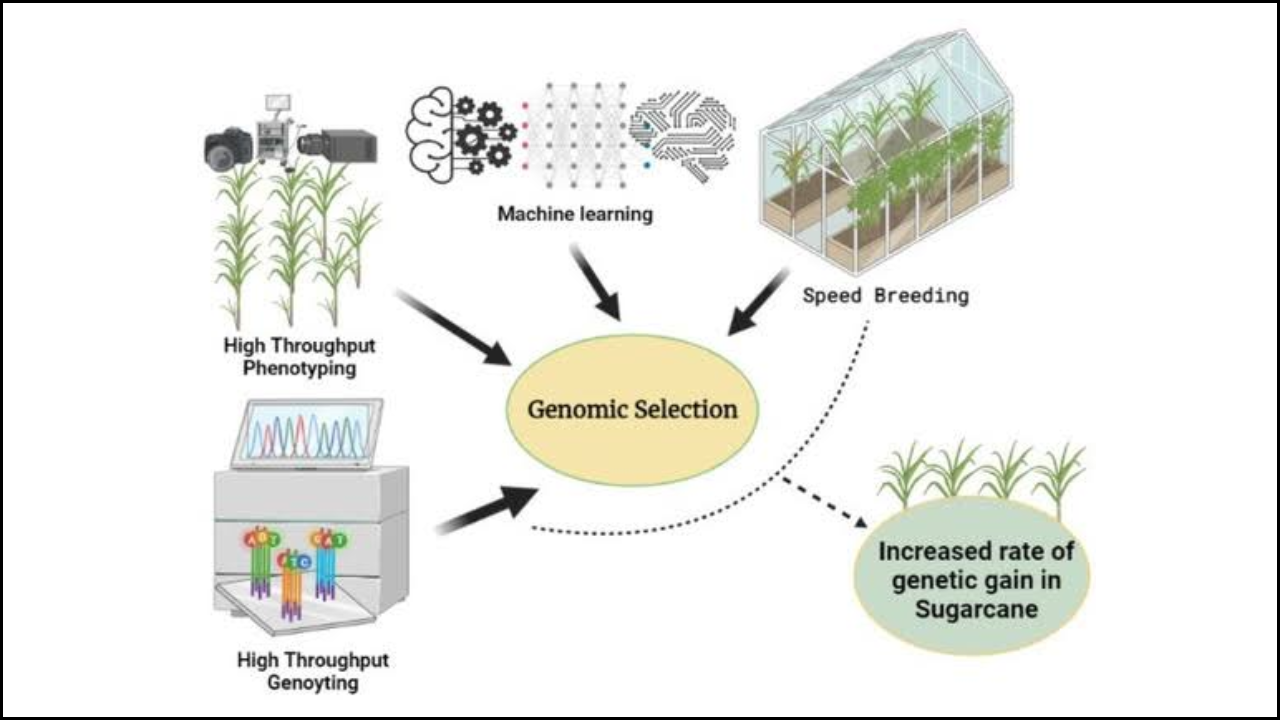
Mutation breeding has had a significant impact on developing tomato varieties resistant to Fusarium wilt. By generating novel genetic variation, breeders can identify and integrate resistance alleles into high-performing cultivars. These resistant varieties enhance yield stability, reduce reliance on chemical control, and contribute to sustainable tomato production. The combination of mutation breeding with modern genomic tools promises a new era of precise, efficient, and resilient disease management strategies for tomato cultivation.