Sunflower cultivation plays a crucial role in global oilseed production, providing edible oil, animal feed, and industrial raw materials. However, sunflower crops are highly vulnerable to a wide range of fungal, bacterial, and viral diseases that significantly reduce yield and quality. The development of disease-resistant sunflower hybrids has therefore become a central objective in modern plant breeding programs aimed at improving productivity, sustainability, and farmer profitability.
Disease-resistant hybrids combine high yield potential with built-in genetic protection against major pathogens. Through the integration of traditional breeding, genetic diversity, and advanced biotechnological tools, breeders are enhancing sunflower resilience while reducing dependency on chemical controls. This article explores the scientific foundations, breeding strategies, and agricultural significance of developing disease-resistant sunflower hybrids.
Table of Contents
Sunflower Disease Overview
| Aspect | Key Details |
|---|---|
| Major Diseases | Downy mildew, rust, Sclerotinia |
| Yield Loss Risk | Moderate to severe without resistance |
| Resistance Source | Wild relatives and elite lines |
| Breeding Focus | Durable and multi-disease resistance |
| Sustainability Role | Reduced chemical dependency |
Disease Challenges
Sunflower crops are affected by several economically important diseases that vary by region and climate. Downy mildew, rust, Alternaria leaf spot, and Sclerotinia head rot are among the most damaging, often causing substantial yield losses under favorable conditions. These diseases not only reduce seed production but also negatively affect oil content and quality, impacting market value.
Environmental factors such as high humidity, temperature fluctuations, and monocropping intensify disease pressure. Pathogens evolve rapidly, leading to the breakdown of resistance genes if hybrids rely on narrow genetic protection. As a result, continuous improvement of disease resistance is necessary to maintain stable sunflower production systems.
Genetic Resources
Genetic diversity forms the foundation of disease resistance breeding in sunflowers. Wild sunflower species and traditional landraces possess a wide array of resistance genes that are absent in many commercial cultivars. These genetic resources have co-evolved with pathogens, making them valuable donors of durable resistance traits.
Breeding programs systematically screen germplasm collections to identify resistant genotypes. Traits such as pathogen recognition, restricted lesion development, and systemic defense activation are inherited and transferred into elite breeding lines. The effective use of diverse genetic sources reduces vulnerability to new disease strains and strengthens long-term resistance.
Breeding Methods
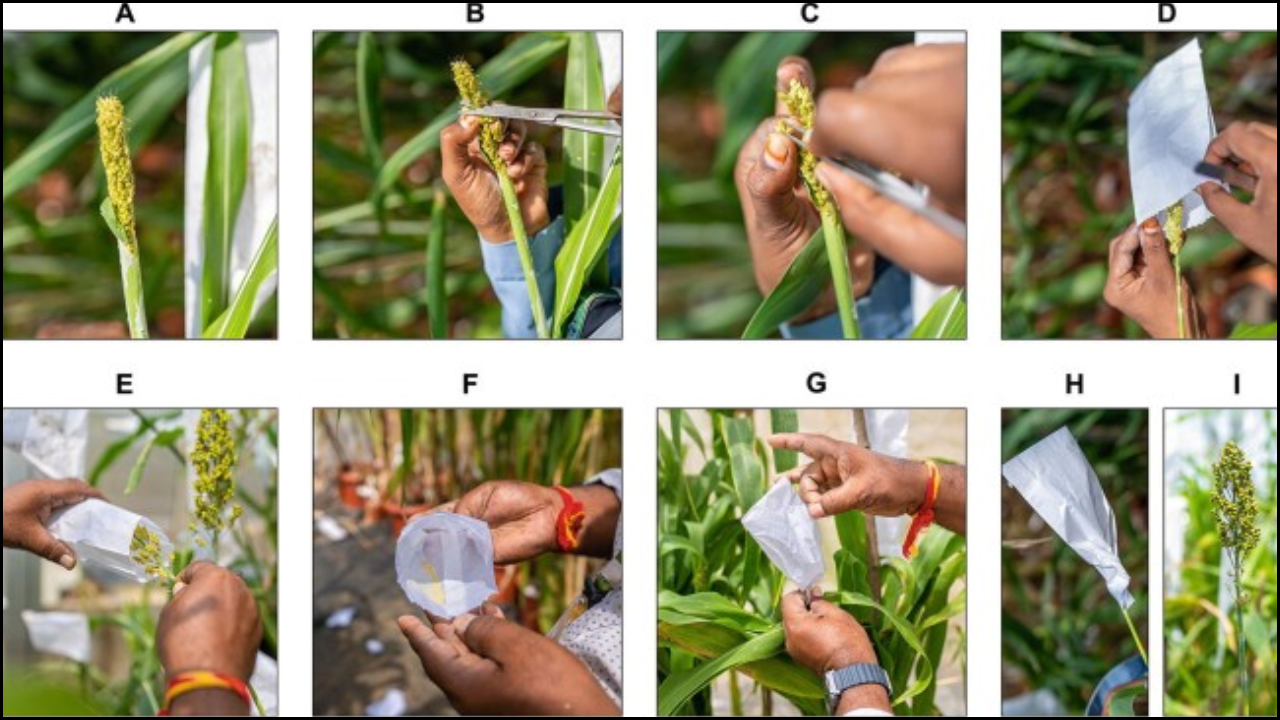
Conventional breeding remains a cornerstone of sunflower hybrid development. This approach involves controlled crosses between resistant donor lines and high-yielding but susceptible parents, followed by several generations of selection. Breeders evaluate progeny under disease-prone conditions to identify individuals that combine resistance with agronomic performance.
Hybrid breeding exploits heterosis, or hybrid vigor, to enhance yield and stress tolerance. Male-sterile lines and restorer lines are carefully selected to ensure stable hybrid seed production. By integrating disease resistance into both parental lines, breeders ensure consistent expression of resistance in commercial hybrids.
Molecular Tools
Modern molecular techniques have significantly accelerated the development of disease-resistant sunflower hybrids. Marker-assisted selection allows breeders to track resistance genes at the DNA level, reducing the time required for field evaluations. Genetic markers linked to resistance traits enable precise selection even at early growth stages.
Advances in genomics have led to the identification of quantitative trait loci associated with partial and durable resistance. These loci contribute to broad-spectrum defense by limiting pathogen growth rather than providing single-gene immunity. Molecular tools enhance breeding efficiency while minimizing the risk of resistance breakdown.
Multiple Resistance
Developing hybrids with resistance to multiple diseases is a major priority in sunflower breeding. Single-gene resistance can be rapidly overcome by evolving pathogens, whereas pyramiding multiple resistance genes provides more durable protection. Breeders combine resistance traits from different sources to create hybrids capable of withstanding diverse disease pressures.
Multi-disease resistance improves crop stability across varying environments. Farmers benefit from reduced yield variability and lower production risks, especially in regions where multiple pathogens coexist. This approach also supports integrated disease management strategies that rely less on chemical interventions.
Agronomic Integration
Disease-resistant sunflower hybrids must perform well within modern farming systems. Resistance alone is insufficient if hybrids lack adaptability to local soils, climates, and management practices. Breeding programs, therefore, evaluate hybrids for traits such as drought tolerance, nutrient use efficiency, and plant architecture alongside disease resistance.
Resistant hybrids complement agronomic practices such as crop rotation, balanced fertilization, and optimal planting density. Together, these factors create a production system that suppresses disease development while maximizing yield potential. Integrated performance ensures widespread adoption by farmers.
Environmental Benefits
The adoption of disease-resistant sunflower hybrids contributes to environmental sustainability. Reduced reliance on fungicides lowers production costs and minimizes chemical residues in soil and water. This supports biodiversity by protecting beneficial organisms and maintaining ecological balance in agricultural landscapes.
Lower chemical input requirements also reduce greenhouse gas emissions associated with pesticide manufacturing and application. Disease-resistant hybrids, therefore, align with sustainable agriculture goals while meeting increasing consumer demand for environmentally responsible food production.
Economic Impact
From an economic perspective, disease-resistant sunflower hybrids offer significant advantages. Yield stability translates into predictable income for farmers, reducing financial risk associated with disease outbreaks. Lower input costs further enhance profitability, particularly for small and medium-scale producers.
Seed companies also benefit from the development of superior hybrids that command strong market demand. Investments in resistance breeding strengthen the competitiveness of the sunflower industry and support long-term growth in oilseed markets.
Future Innovations
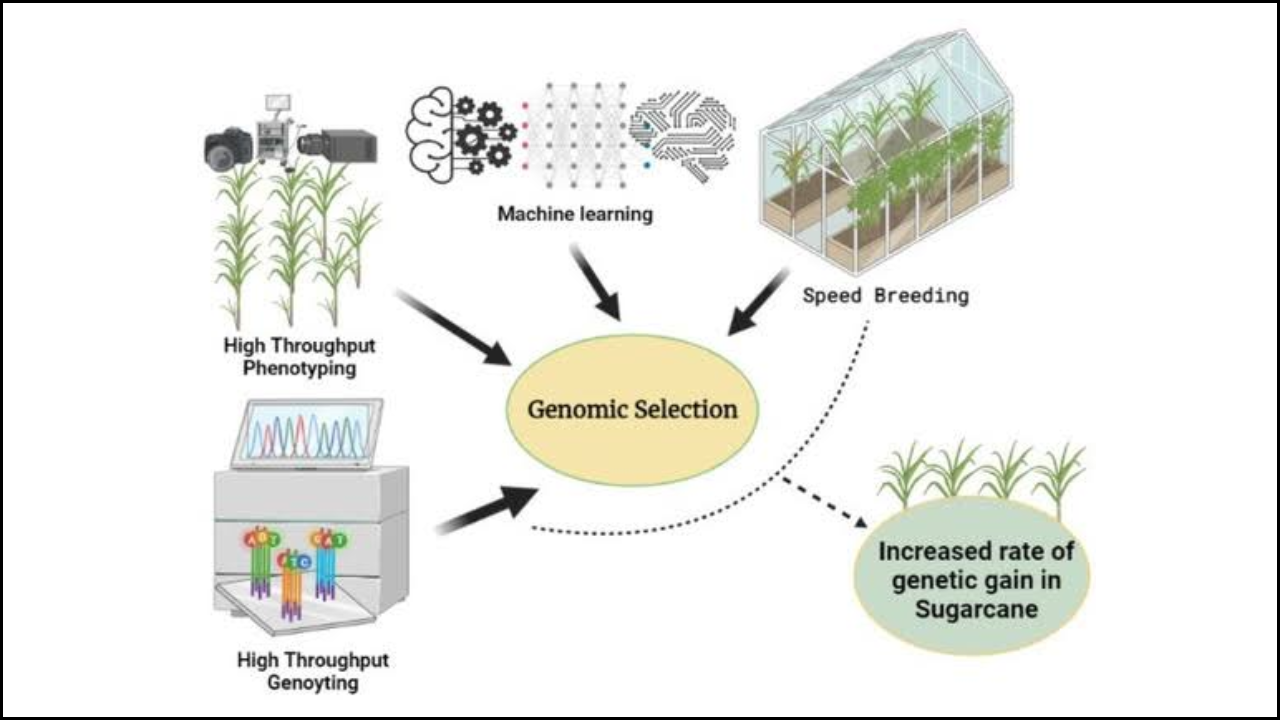
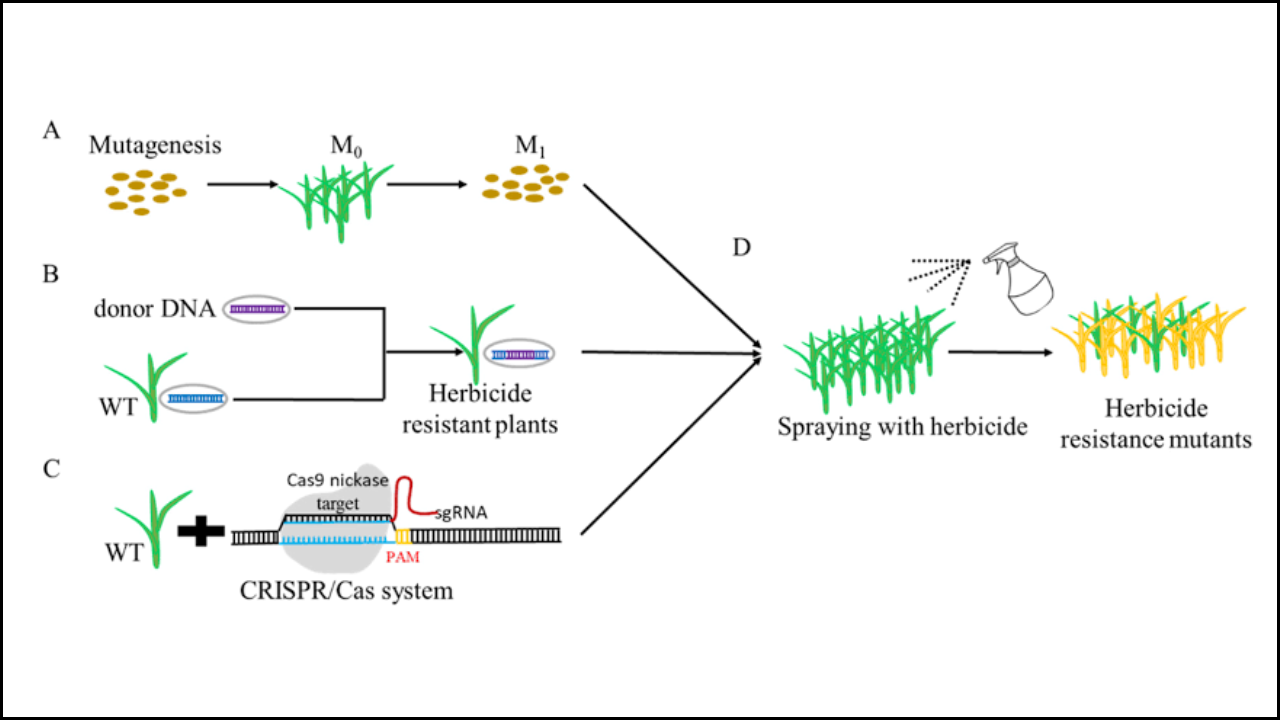
Ongoing research continues to refine disease resistance strategies in sunflowers. Advances in genomic selection, gene editing, and high-throughput phenotyping are expected to further accelerate hybrid development. These technologies enable precise manipulation of resistance pathways while maintaining overall genetic integrity.
Collaborative efforts between researchers, breeders, and farmers will shape the next generation of sunflower hybrids. Emphasis on resilience, adaptability, and sustainability ensures that disease-resistant sunflower hybrids remain a vital component of global oilseed production systems.
Closing Reflections
The development of disease-resistant sunflower hybrids represents a critical advancement in modern agriculture. By combining genetic diversity, innovative breeding methods, and sustainable management principles, breeders are creating hybrids capable of delivering stable yields under disease pressure. These hybrids reduce environmental impact, enhance farm profitability, and support resilient food systems, positioning sunflower cultivation for long-term success in a changing agricultural landscape.