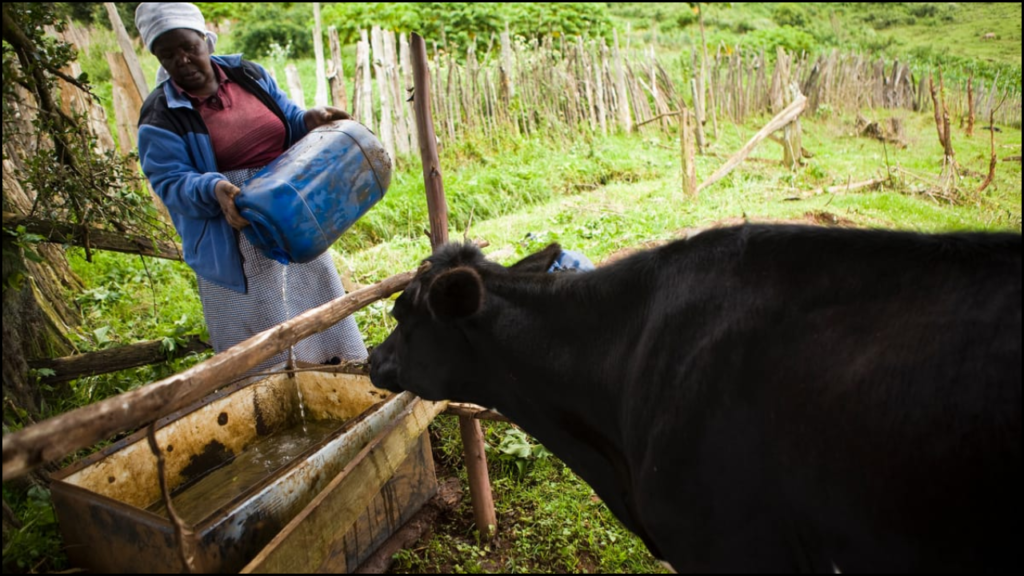
Crop-livestock integration systems represent a holistic agricultural approach that combines crop production and animal husbandry within the same farming operation. This integrated model aims to improve resource efficiency, enhance soil fertility, and stabilize farm income by creating beneficial interactions between crops and livestock. In the face of rising input costs and environmental concerns, crop-livestock integration has gained renewed importance as a sustainable farming strategy.
By recycling nutrients, diversifying production, and improving land use efficiency, integrated systems support long-term agricultural resilience. This article provides a comprehensive assessment of crop-livestock integration systems, focusing on productivity, soil health, economic stability, and environmental sustainability.
Table of Contents
Crop-Livestock Integration Assessment
| Aspect | System Contribution |
|---|---|
| Nutrient Cycling | Efficient reuse of nutrients |
| Soil Fertility | Improved organic matter |
| Productivity Stability | Diversified income sources |
| Resource Efficiency | Reduced external inputs |
| Environmental Impact | Lower ecological footprint |
System Concept
Crop-livestock integration is based on the principle of linking crop and animal enterprises so that outputs from one component serve as inputs for the other. Crop residues provide feed for livestock, while animal manure supplies nutrients for crops. This closed-loop system reduces waste and improves overall farm efficiency.
Unlike specialized farming systems, integrated models promote interaction between biological components. These interactions enhance nutrient recycling and reduce dependence on external fertilizers and feed inputs, contributing to sustainable farm management.
Soil Fertility
Soil fertility improvement is one of the most significant benefits of crop-livestock integration. Livestock manure adds organic matter and essential nutrients such as nitrogen, phosphorus, and potassium to the soil. Regular manure application enhances soil structure and nutrient availability.
Improved organic matter increases microbial activity and soil aggregation. Over time, integrated systems develop healthier soils that support higher crop productivity and improved resilience against erosion and compaction.
Nutrient Cycling
- Recycling of crop residues through livestock feed
- Return of nutrients via manure application
- Reduced nutrient losses
- Improved nutrient use efficiency
Crop-livestock systems enhance nutrient cycling by minimizing nutrient export from the farm. Nutrients absorbed by crops are partially returned to the soil through animal waste. This internal cycling reduces nutrient losses and improves fertilizer efficiency.
Efficient nutrient cycling lowers reliance on synthetic fertilizers and reduces the risk of nutrient runoff. Balanced nutrient management supports both crop growth and environmental protection.
Crop Productivity
Integrated systems often improve crop productivity due to enhanced soil fertility and structure. Crops benefit from improved nutrient availability and moisture retention. Residue management through grazing or incorporation also supports better seedbed conditions.
Yield stability is another advantage of integration. Improved soil health and diversified management reduce vulnerability to climatic stress, resulting in more consistent crop performance across seasons.
Livestock Performance
Livestock productivity benefits from access to diverse feed sources such as crop residues, forage crops, and cover crops. These feeds reduce reliance on purchased concentrates and lower feeding costs. Animals also benefit from improved diet diversity.
Integration allows flexible grazing management, improving animal health and performance. Well-managed systems balance stocking rates with forage availability, ensuring sustainable livestock production.
Economic Stability
- Diversified income streams
- Reduced input costs
- Improved risk management
- Enhanced farm profitability
Crop-livestock integration strengthens farm economics by spreading financial risk across multiple enterprises. When crop yields fluctuate, livestock production can provide income stability. Reduced expenditure on fertilizers and feed further improves profitability.
Long-term economic resilience is enhanced through improved resource efficiency. Integrated systems often show lower production costs and more stable returns compared to specialized systems.
Environmental Benefits
Environmental sustainability is a core advantage of integrated farming systems. Reduced fertilizer use lowers greenhouse gas emissions and minimizes water pollution. Improved soil cover from residues and forages reduces erosion and enhances carbon sequestration.
Biodiversity also improves as integrated systems support diverse plant and animal species. These environmental benefits contribute to climate-resilient agricultural landscapes.
Water Management
Integrated systems improve water management through better soil structure and increased organic matter. Enhanced infiltration and water-holding capacity reduce runoff and improve moisture availability for crops.
Livestock grazing management can also influence water dynamics. Properly managed grazing promotes vegetation cover, protecting soil from erosion and improving water use efficiency across the farm.
Management Complexity
While integrated systems offer many benefits, they require careful management. Coordinating crop rotations, grazing schedules, and nutrient application demands requires planning and knowledge. Poorly managed integration can lead to overgrazing or nutrient imbalance.
Successful systems rely on adaptive management and continuous monitoring. Farmers must balance livestock numbers with land capacity to maintain sustainability and productivity.
System Resilience
Crop-livestock integration enhances resilience by diversifying biological and economic components. Integrated farms are better equipped to withstand climatic variability, market fluctuations, and input shortages.
Resilient systems recover more quickly from stress events. Improved soil health and diversified production reduce vulnerability, supporting long-term agricultural sustainability.
Technology Support
Modern technologies support the effective management of integrated systems. Precision nutrient management, pasture monitoring, and data-driven decision tools improve coordination between crops and livestock.
Technology adoption enhances efficiency and reduces labor demands. When combined with traditional knowledge, modern tools strengthen integrated system performance.
In Summary
The assessment of crop-livestock integration systems highlights their significant advantages in terms of soil fertility, nutrient cycling, economic stability, and environmental sustainability. By linking crop and animal production, these systems create efficient nutrient loops and diversified income sources. Although management complexity is higher, the long-term benefits of resilience, productivity, and sustainability make crop-livestock integration a powerful model for modern agriculture.