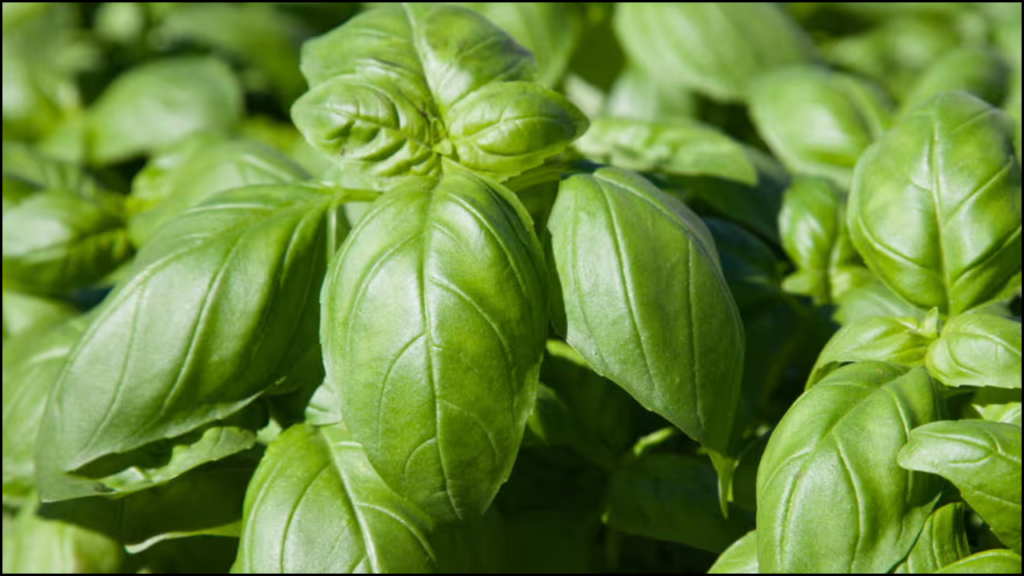
Basil (Ocimum spp.) is a widely cultivated aromatic plant valued for its essential oils, which are used in culinary, medicinal, and industrial applications. Essential oil yield varies significantly among different basil varieties due to genetic, environmental, and cultivation factors. Understanding the variation in oil content and composition helps growers select high-yielding varieties for commercial production, optimize harvesting strategies, and enhance quality for various uses.
Table of Contents
Overview of Basil
| Aspect | Details |
|---|---|
| Common Varieties | Sweet Basil, Holy Basil, Lemon Basil, Thai Basil, Genovese Basil |
| Primary Uses | Culinary, medicinal, aromatic, industrial |
| Oil Components | Linalool, eugenol, methyl chavicol, citral |
| Yield Range | 0.5–1.8% depending on variety and conditions |
| Factors Affecting Yield | Variety, climate, soil fertility, harvest stage |
Variation Among Varieties
- Sweet Basil (Ocimum basilicum) is popular for its high essential oil content, often ranging from 0.8% to 1.5% depending on cultivation conditions.
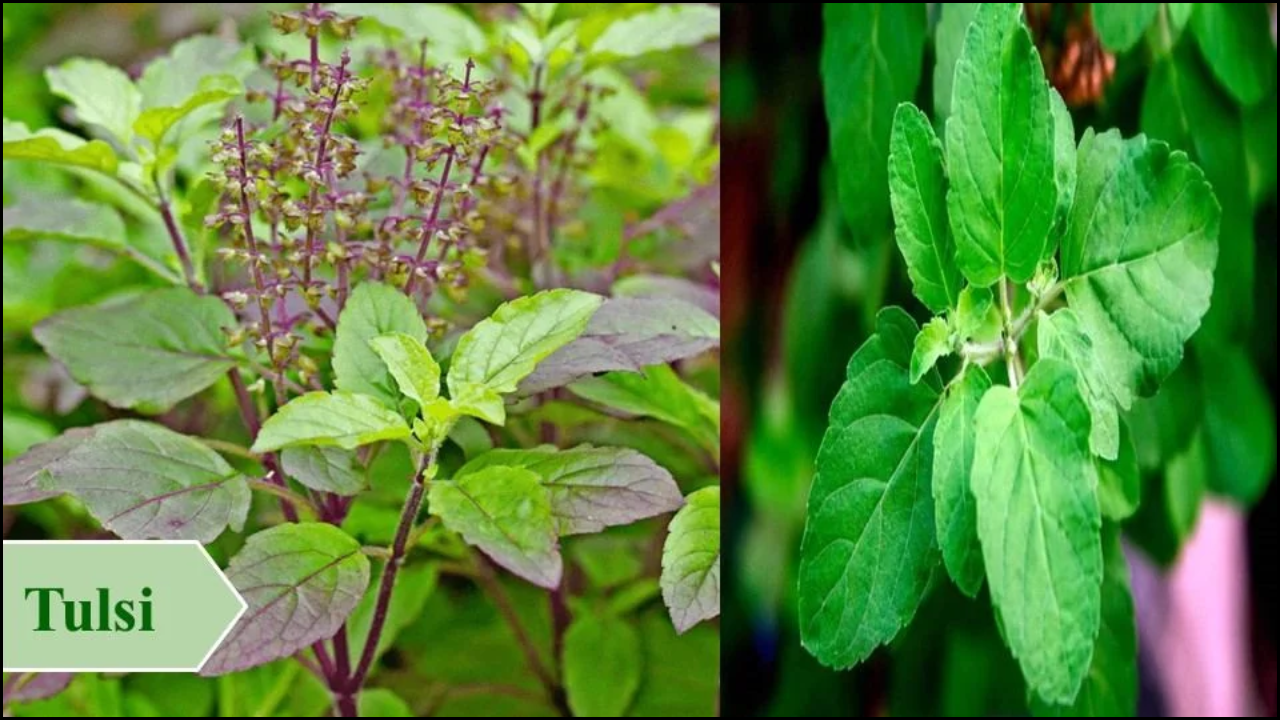
- Holy Basil (Ocimum tenuiflorum) typically produces moderate oil yield (0.5–1%), but its eugenol-rich oil has high medicinal value.
- Lemon Basil (Ocimum × citriodorum) contains citral as the main component, with yields of 0.6–1%, valued for flavor and fragrance industries.
- Thai Basil and Genovese Basil are favored for culinary use; their oil content ranges between 0.7–1.2% and contains high linalool and methyl chavicol.
The choice of variety directly impacts essential oil quantity and quality, making it a crucial factor for commercial cultivation and targeted applications.
Harvest Stage Effects
- Oil yield is highest when basil plants reach the flowering stage, as oil glands are fully developed in leaves and flowers.
- Early harvest results in lower essential oil content but may favor leaf biomass for culinary use.
- Delaying harvest beyond full flowering can reduce oil quality and alter chemical composition.
- Multiple harvests during the growing season can maximize total oil yield per plant while maintaining quality.
Timing harvest according to growth stage ensures an optimal balance between leaf biomass and essential oil concentration, which is crucial for commercial efficiency.
Environmental and Cultivation Factors
- Temperature, light intensity, and humidity significantly influence oil biosynthesis in basil varieties.
- Well-drained, fertile soils with balanced nutrients support higher essential oil accumulation.
- Water management and proper spacing prevent stress, which can otherwise reduce oil yield.
- Organic fertilization and integrated pest management further enhance plant health and essential oil production.
Environmental optimization alongside variety selection improves both the quantity and quality of basil essential oils.
Extraction Methods
- Hydrodistillation is the most common method for essential oil extraction in basil, yielding high-quality oil.
- Steam distillation, solvent extraction, and cold pressing are alternative techniques used depending on intended applications.
- Extraction efficiency varies with plant variety, leaf maturity, and drying methods before distillation.
- Standardized extraction protocols ensure consistent oil yield and chemical profile across different varieties.
Optimizing extraction methods according to variety and plant stage is essential to maximize both yield and commercial value.
Economic Implications
- High essential oil-yielding varieties like Sweet Basil and Genovese Basil provide better returns in commercial production.
- Medicinally valuable oils from Holy Basil command premium prices, despite lower yield.
- Efficient harvesting and extraction practices reduce losses and improve profitability.
- Selection of suitable varieties based on the intended market (culinary, medicinal, fragrance) ensures economic sustainability.
Investing in high-yielding, well-adapted basil varieties and appropriate cultivation techniques strengthens market competitiveness and overall farm profitability.
The Bottom Line
Essential oil yield varies considerably among basil varieties due to genetic makeup, harvest timing, and environmental factors. Sweet Basil, Genovese Basil, and Thai Basil offer high oil yield for culinary and industrial uses, while Holy Basil provides medicinally valuable oil. Optimizing harvest stage, cultivation conditions, and extraction methods enhances both quantity and quality of essential oils. Selecting the right variety according to market needs ensures economic efficiency, supports sustainable cultivation, and maximizes the benefits of basil essential oil production.