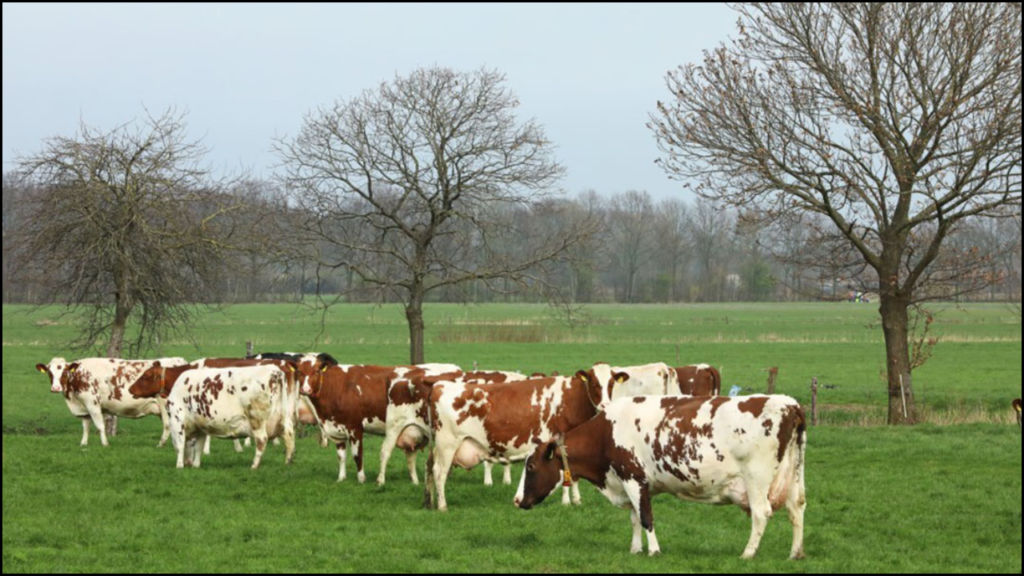
Effective grazing management is critical for maximizing forage utilization, maintaining pasture productivity, and improving livestock performance. Proper strategies balance animal demand with pasture growth, prevent overgrazing, and enhance nutrient availability. By implementing structured grazing systems, farmers can improve forage quality, extend the grazing season, and maintain sustainable livestock production. Understanding key practices allows for better pasture planning, increased feed efficiency, and long-term ecological and economic benefits.
Table of Contents
Overview of Grazing
| Aspect | Details |
|---|---|
| Key Practices | Rotational grazing, strip grazing, controlled stocking |
| Target Crops | Ryegrass, Alfalfa, Clover, Timothy, Bermuda Grass |
| Objectives | Optimal forage utilization, soil protection, livestock performance |
| Benefits | Higher yield, better feed quality, sustainable pasture |
| Monitoring | Pasture height, biomass, livestock condition |
Rotational Grazing
- Rotational grazing involves dividing pasture into multiple paddocks and moving livestock systematically.
- Each paddock is grazed for a limited period, allowing rest and regrowth, improving forage productivity.
- Rotational grazing helps maintain leaf area, improves root development, and enhances forage quality.
- This practice reduces selective grazing and prevents overgrazing of preferred species.
Rotational systems also improve pasture resilience and biodiversity. By controlling grazing intensity and timing, farmers can maximize forage availability throughout the season.
Stocking Rate Management
- Maintaining an appropriate stocking rate ensures livestock do not exceed pasture carrying capacity.
- Overstocking leads to overgrazing, reduced forage quality, and soil degradation.
- Understocking can result in forage wastage and uneven pasture utilization.
- Regular monitoring of pasture biomass and adjusting animal numbers supports sustainable utilization.
Stocking rate decisions depend on forage growth, season, and livestock requirements. Optimizing stocking maintains productivity and ensures long-term pasture health.
Strip Grazing
- Strip grazing restricts livestock to small areas using temporary fencing, controlling intake and preserving pasture.
- This method encourages uniform grazing, prevents trampling of regrowth, and improves forage efficiency.
- Strip grazing allows precise management of high-quality forage, reducing waste and enhancing feed intake.
- Ideal for high-value pastures or when supplementing livestock with specific forage types.
The technique also facilitates supplementation with legumes or medicinal plants in targeted areas, improving overall livestock nutrition.
Rest Periods and Regrowth
- Allowing sufficient rest periods between grazing cycles ensures proper forage regrowth and biomass accumulation.
- Rest periods vary by species; fast-growing grasses may need shorter intervals, while legumes require longer recovery.
- Proper timing of grazing and rest maintains leaf area, nutrient content, and digestibility.
- Avoiding repeated grazing of young regrowth prevents damage to the pasture and supports sustainable production.
Monitoring regrowth through pasture height and leaf development helps optimize rest periods and maximize forage yield.
Supplemental Feeding
- Grazing management may include supplementation during low forage availability or stress periods.
- Strategic supplementation with concentrates, silage, or hay ensures consistent nutrient intake.
- Combining grazing with high-quality forage in paddocks enhances overall feed efficiency.
- Supplemental feeding prevents overgrazing and maintains animal performance during critical growth or lactation periods.
Integrating supplemental feeds with grazing schedules balances pasture utilization and ensures livestock meet production targets year-round.
Monitoring and Evaluation
- Regular assessment of pasture height, biomass, and animal body condition informs grazing decisions.
- Record-keeping of grazing patterns, animal performance, and forage growth supports adaptive management.
- Monitoring soil health, plant species composition, and forage quality ensures sustainable pasture use.
- Periodic evaluation allows adjustments to grazing duration, paddock rotation, and stocking rate.
Effective monitoring ensures both short-term productivity and long-term pasture sustainability, preventing degradation and promoting optimal forage use.
Moving Forward
Grazing management practices are essential for optimizing forage utilization and sustaining pasture productivity. Techniques such as rotational grazing, strip grazing, and proper stocking rate management improve forage efficiency, maintain quality, and protect soil health. Incorporating rest periods, supplemental feeding, and continuous monitoring enhances both livestock performance and pasture sustainability. Strategic grazing management ensures a balance between feed supply and animal demand, supporting profitable and environmentally responsible livestock production systems.