Precision agriculture has transformed field crop production by enabling farmers to manage variability within their fields more effectively. Traditional uniform farming practices often overlook differences in soil fertility, moisture, and crop performance across a single field. Advancements in precision agriculture address these challenges through data-driven technologies that enhance efficiency and productivity.
By integrating digital tools, automated systems, and real-time data analysis, precision agriculture supports informed decision-making at every stage of crop production. This article explores key advancements shaping modern field crop management and their impact on productivity and sustainability.
Table of Contents
Precision Agriculture Advancements
| Technology Area | Primary Function |
|---|---|
| GPS Guidance | Improve field operation accuracy |
| Variable Rate Technology | Optimize input application |
| Remote Sensing | Monitor crop health |
| Data Analytics | Support informed decisions |
| Automation | Enhance operational efficiency |
GPS Guidance
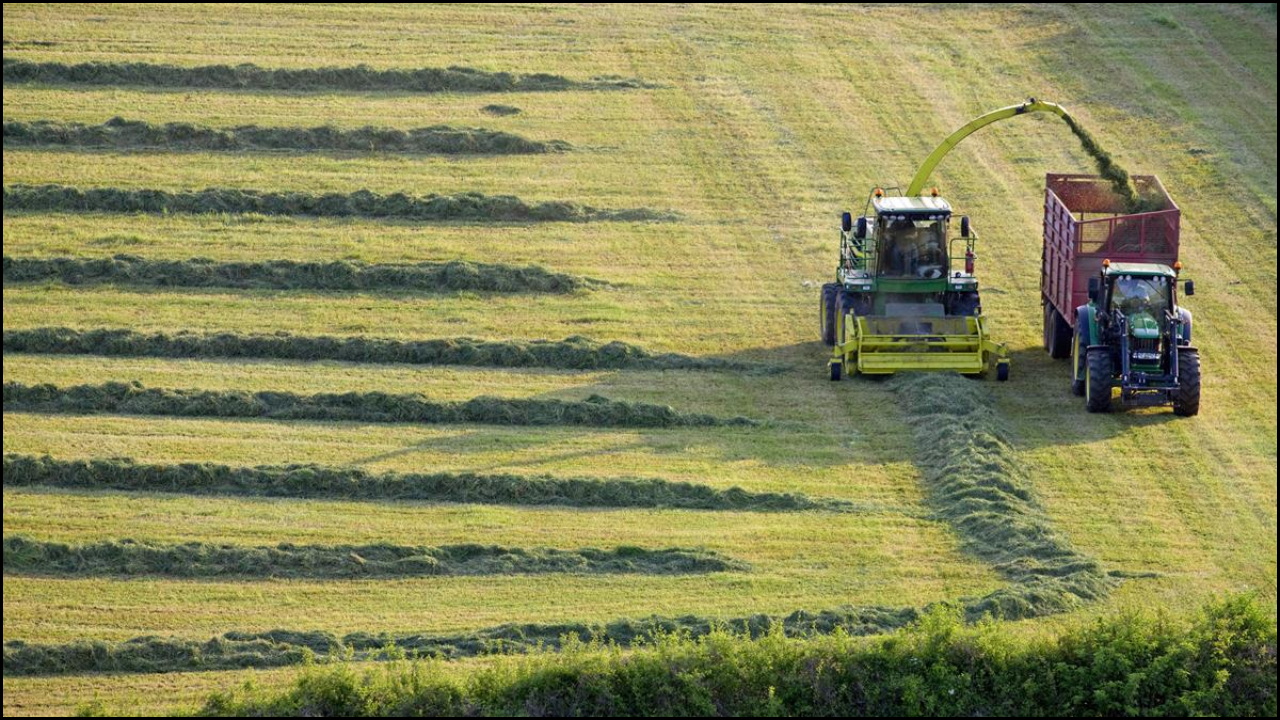
Global positioning systems have significantly improved the accuracy of field operations. GPS-guided machinery enables precise planting, fertilizing, and harvesting, reducing overlaps and missed areas. This accuracy improves input efficiency and ensures uniform crop establishment.
Consistent row spacing and controlled traffic also minimize soil compaction. By guiding equipment along exact paths, GPS technology protects soil structure and supports long-term field productivity while reducing fuel consumption and operational costs.
Variable Application
Variable rate technology allows farmers to adjust input application based on field-specific conditions. Instead of applying fertilizers or seeds uniformly, variable systems deliver inputs according to soil fertility, moisture levels, and crop demand. This targeted approach improves efficiency and reduces waste.
Precision application enhances crop response by supplying resources where they are most needed. Over time, this method lowers input costs, improves yield consistency, and reduces environmental impact associated with excessive chemical use.
Remote Monitoring
- Detection of crop stress and nutrient deficiencies
- Early identification of pest and disease outbreaks
- Monitoring of plant growth patterns
- Assessment of field variability
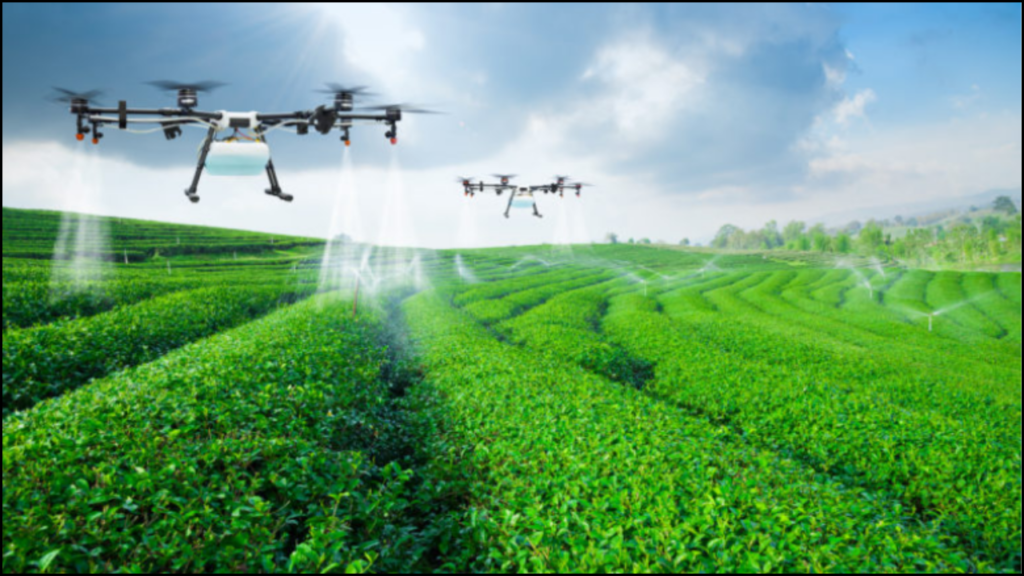
Remote sensing technologies use aerial imagery and sensors to monitor crop health across large areas. These tools provide real-time insights into plant vigor, enabling early intervention before stress affects yield. Monitoring supports proactive crop management rather than reactive responses.
By identifying problem areas quickly, farmers can address issues with precision treatments. This targeted management improves crop health while minimizing unnecessary input use across the field.
Data Integration
- Collection of field-level performance data
- Analysis of yield and input efficiency
- Identification of long-term field trends
- Support for adaptive management strategies
Data analytics integrates information from multiple sources, including sensors, machinery, and historical records. Analyzing this data reveals patterns that inform better management decisions. Data-driven insights help refine planting, irrigation, and fertilization strategies over time.
Effective data integration supports continuous improvement in field crop systems. By learning from past performance, farmers can adapt practices to changing conditions and enhance productivity sustainably.
Automation Systems
Automation has introduced greater efficiency into field crop management. Automated steering, controlled input delivery, and real-time adjustments reduce labor requirements and improve operational precision. These systems enhance consistency and reduce human error.
Automation also supports timely operations, which are critical during narrow planting and harvesting windows. Improved timing enhances crop establishment and yield outcomes while reducing operational stress.
Sustainability Impact
Precision agriculture contributes significantly to sustainable farming by optimizing resource use. Reduced input waste, lower fuel consumption, and minimized environmental impact support ecological balance. Precision practices also improve water and nutrient use efficiency.
Sustainable outcomes benefit both productivity and environmental stewardship. By adopting precision technologies, field crop systems become more resilient, efficient, and capable of meeting future agricultural demands.
Wrapping Up
Advancements in precision agriculture have reshaped field crop management through improved accuracy, targeted input application, and data-driven decision-making. Technologies such as GPS guidance, variable rate systems, remote sensing, and automation enhance productivity while promoting sustainability. Precision agriculture continues to play a vital role in the future of efficient and responsible field crop production.