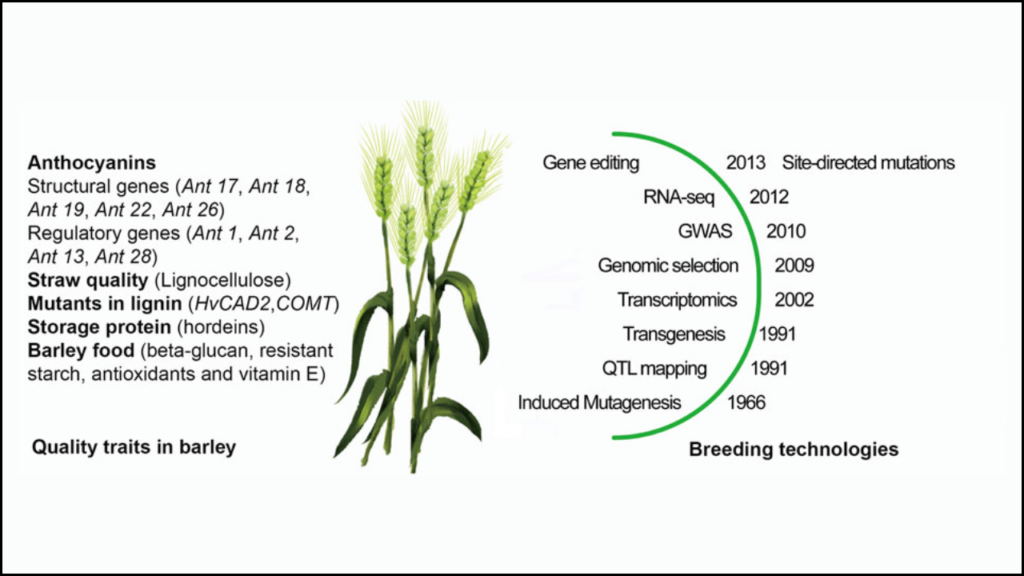
Barley (Hordeum vulgare) is a versatile cereal crop cultivated for food, feed, and malting purposes. Protein content is a critical quality trait that influences nutritional value, processing characteristics, and end-use suitability. High-protein barley varieties are particularly important for livestock feed and human nutrition, offering enhanced dietary protein while supporting sustainable agricultural systems. Developing such varieties requires a combination of classical breeding, molecular tools, and innovative agronomic strategies.
This article explores breeding strategies aimed at increasing protein content in barley, including selection criteria, genetic resources, advanced breeding methods, and challenges in maintaining yield alongside improved nutritional quality.
Table of Contents
Breeding High-Protein Barley
| Aspect | Key Focus |
|---|---|
| Trait Importance | Grain protein content for nutrition and feed |
| Genetic Resources | Landraces, wild relatives, elite cultivars |
| Breeding Methods | Conventional selection, hybridization, molecular breeding |
| Quality Traits | Amino acid composition, grain hardness, and digestibility |
| Challenges | Balancing protein content with yield |
Importance of High-Protein Barley
High-protein barley varieties contribute to improved human diets and animal nutrition. Increased protein content enhances feed efficiency and reduces the need for supplementary protein in livestock diets. For human consumption, high-protein barley supports functional foods and nutraceutical applications due to its amino acid profile and fiber content.
However, protein content is inversely related to grain yield in many barley populations, requiring breeding strategies that optimize both quality and productivity. Identifying genotypes with naturally high protein and acceptable yield levels is a primary breeding goal.
Genetic Resources
Genetic variability for protein content exists across cultivated barley varieties, landraces, and wild relatives. Landraces often contain unique alleles conferring higher protein levels and adaptation to low-fertility soils. Wild barley species, such as Hordeum spontaneum, provide additional genetic material for improving protein content, stress tolerance, and disease resistance.
Breeders utilize these diverse genetic resources by selecting parental lines with complementary traits. Combining high-protein potential with agronomic adaptability ensures the development of commercially viable varieties.
Conventional Breeding Approaches
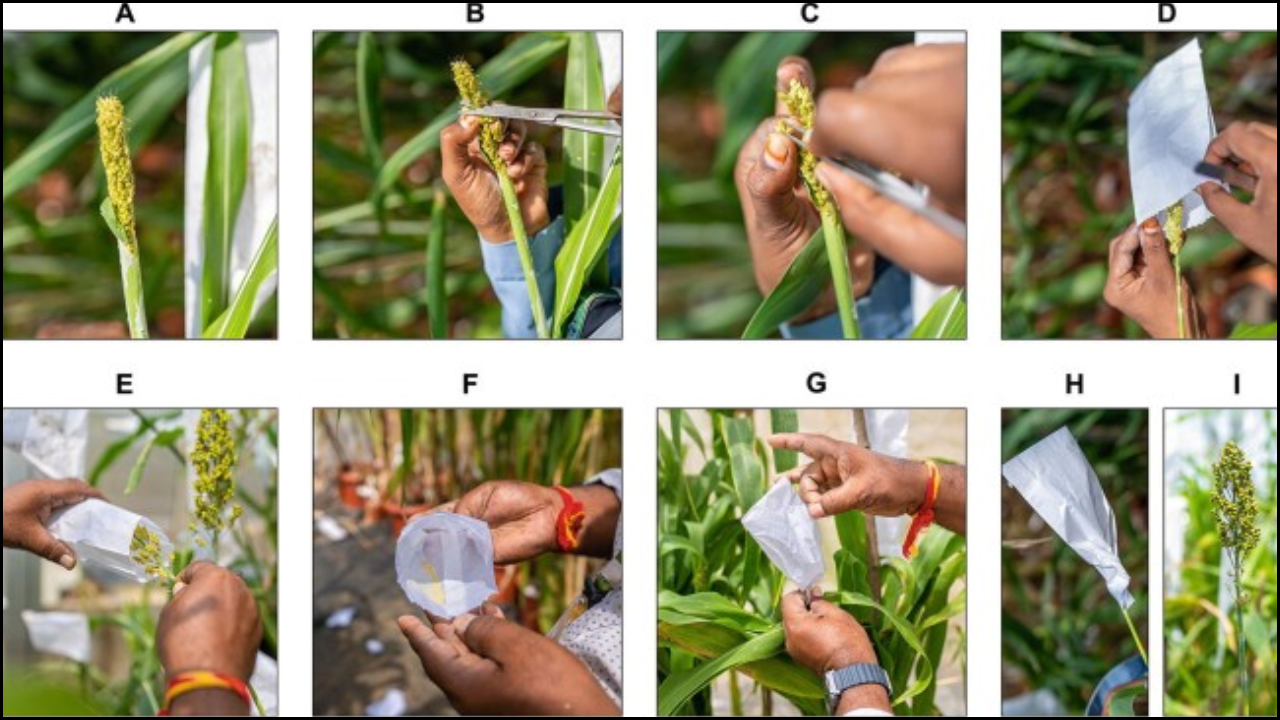
Traditional breeding methods involve hybridization and selection based on phenotypic performance. Key strategies include:
- Mass Selection: Choosing superior plants from diverse populations for protein content and agronomic traits.
- Pedigree Selection: Tracking progeny through multiple generations to combine high protein and desirable yield traits.
- Backcross Breeding: Introducing high-protein alleles from donor lines into elite cultivars while maintaining overall performance.
Field evaluation under different soil fertility conditions ensures the selection of genotypes that consistently express high protein levels.
Molecular Breeding Techniques
Modern molecular tools accelerate the development of high-protein barley varieties:
- Marker-Assisted Selection (MAS): DNA markers linked to protein-related genes allow early-generation selection, reducing reliance on lengthy field testing.
- Quantitative Trait Loci (QTL) Mapping: Identifies genomic regions associated with protein content, enabling targeted breeding.
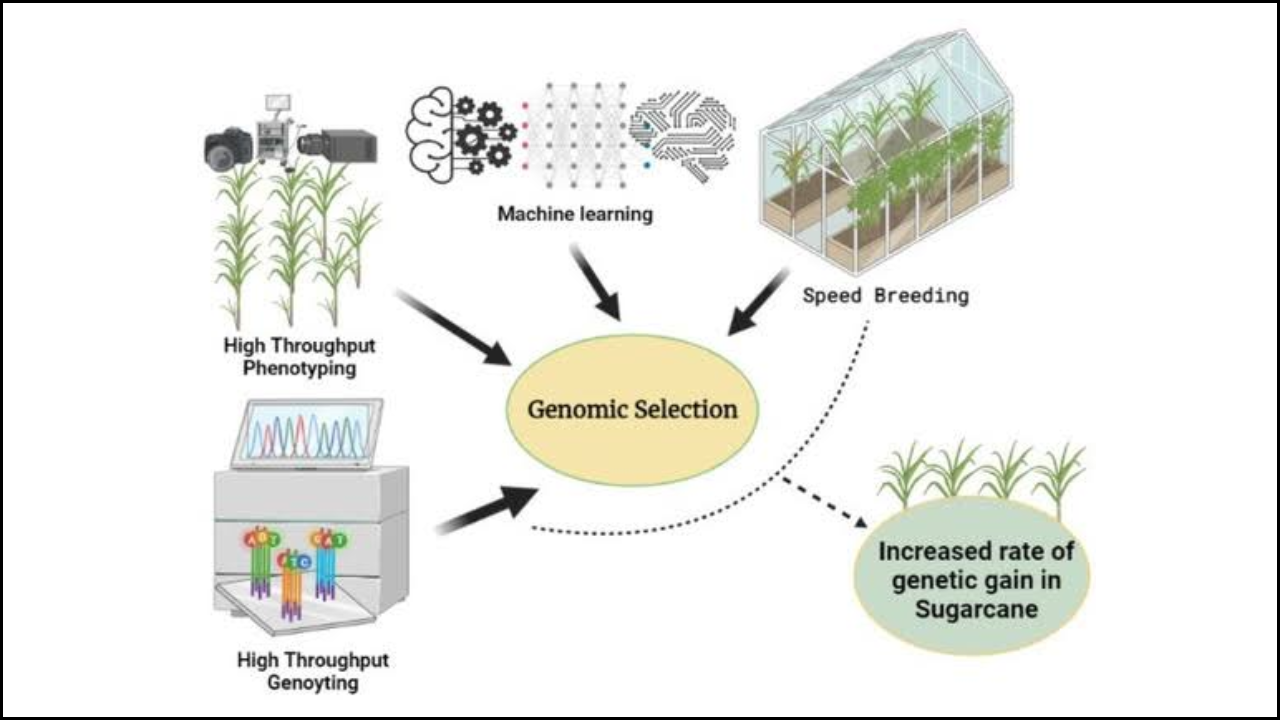
- Genomic Selection: Predicts breeding values for protein content and yield simultaneously, optimizing selection efficiency.
Integration of molecular data with phenotypic evaluation improves accuracy, reduces breeding cycles, and facilitates the pyramiding of favorable alleles.
Trait Prioritization
- Grain Protein Content: Primary target for nutritional and feed quality.
- Amino Acid Profile: Ensures balanced essential amino acids, enhancing feed and food value.
- Grain Hardness and Digestibility: Influences processing performance and bioavailability of protein.
Breeding programs aim to improve these traits without compromising other essential characteristics such as disease resistance, stress tolerance, and yield.
Balancing Protein and Yield
Increasing protein content often comes at the expense of grain yield due to the inverse relationship between nitrogen allocation to protein and carbohydrate accumulation. Strategies to overcome this trade-off include:
- Combining high-protein alleles with yield-stabilizing genes.
- Optimizing nitrogen fertilization during crop growth to enhance protein accumulation without reducing biomass.
- Selecting genotypes with efficient nitrogen uptake and utilization.
Balancing these factors ensures the development of high-protein barley varieties suitable for commercial cultivation.
Environmental and Agronomic Considerations
Protein expression in barley is influenced by environmental conditions such as soil fertility, temperature, and moisture availability. Breeding programs must account for genotype × environment interactions to ensure stability of protein content across diverse growing conditions.
Agronomic practices, including nitrogen management, crop rotation, and planting density, complement genetic improvement by enhancing protein accumulation while maintaining yield potential.
Challenges in Breeding
Breeding high-protein barley presents several challenges:
- Genetic complexity of protein traits due to polygenic control.
- Trade-offs between protein content and yield or malting quality.
- Environmental variability affecting expression of protein-related traits.
- Limited availability of elite donor lines with stable high-protein alleles.
Overcoming these challenges requires integrated breeding approaches that combine conventional selection, molecular tools, and adaptive agronomic practices.
The Way Forward
Breeding strategies for high-protein barley varieties involve the careful integration of genetic resources, phenotypic selection, molecular tools, and agronomic optimization. By addressing the challenges of balancing protein content with yield and adaptability, breeders can develop varieties that enhance nutritional quality, support livestock feed efficiency, and meet market demands. Continued innovation and targeted breeding efforts will ensure that high-protein barley remains a valuable component of sustainable agricultural systems.