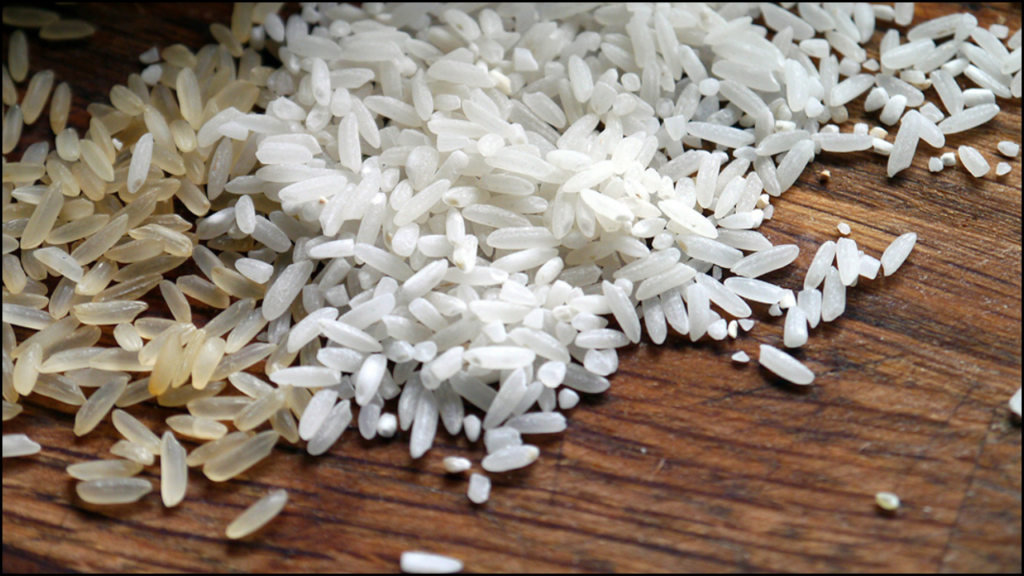
Rice (Oryza sativa) is one of the most important staple crops worldwide, feeding billions of people and supporting global food security. Increasing rice yield has been a central goal of breeding programs, especially in regions facing population growth and limited arable land. Genetic mapping of yield-related traits provides a scientific framework for understanding the genetic basis of yield, enabling breeders to develop high-performing varieties more efficiently.
Genetic mapping involves identifying genomic regions, or quantitative trait loci (QTLs), associated with complex traits such as grain number, panicle length, seed size, and overall biomass. By linking phenotypic variation to specific genetic loci, rice breeders can employ marker-assisted selection and genomic tools to enhance yield potential while maintaining resilience to environmental stresses.
Table of Contents
Genetic Mapping of Rice Yield Traits
| Trait Category | Mapping Contribution |
|---|---|
| Grain Number | Identifies loci controlling panicle fertility |
| Panicle Traits | QTLs for panicle length, branching, and structure |
| Seed Size | Genes influencing grain weight and shape |
| Biomass | Genetic regions affecting vegetative growth |
| Stress Adaptation | Loci interacting with drought, salinity, or heat |
Importance of Yield-Related Trait Mapping
Rice yield is a complex trait influenced by multiple genes and environmental interactions. Understanding the genetic architecture of yield components allows breeders to manipulate specific traits while minimizing trade-offs. For instance, increasing grain number per panicle may affect seed size or plant height; mapping helps identify loci that optimize multiple traits simultaneously.
Genetic mapping also accelerates breeding cycles by providing markers linked to desirable traits. Early-generation selection using these markers reduces reliance on labor-intensive field trials and enhances the precision of breeding programs.
Mapping Populations
Effective genetic mapping relies on well-designed populations. Common mapping populations in rice include recombinant inbred lines (RILs), doubled haploids, and backcross populations. These populations capture genetic variation from diverse parents and provide a controlled framework for linking phenotypic traits to specific genomic regions.
Crosses between high-yielding elite cultivars and genetically diverse landraces are often used to maximize trait variation. This approach ensures that both major and minor effect QTLs are detectable, providing a comprehensive picture of the genetic basis of yield.
Molecular Markers
Molecular markers are central to genetic mapping. Early studies used restriction fragment length polymorphisms (RFLPs), while modern approaches rely on simple sequence repeats (SSRs), single-nucleotide polymorphisms (SNPs), and high-throughput sequencing. These markers provide precise genomic information and enable the identification of QTLs for complex traits.
Markers linked to yield traits facilitate marker-assisted selection (MAS). By tracking desirable alleles in breeding populations, MAS allows breeders to efficiently select individuals with superior genetic potential, shortening the time required to develop improved cultivars.
Yield Component Mapping
- Grain Number: QTLs control panicle fertility, branch number, and spikelet development.
- Panicle Traits: Loci influencing panicle length, compactness, and branch orientation impact overall yield.
- Seed Size and Weight: Genes regulating grain length, width, and weight determine total grain yield.
- Biomass Traits: Genetic regions affecting plant height, leaf area, and tiller number influence assimilate production.
Mapping these components individually and collectively allows breeders to identify favorable allelic combinations that maximize yield without compromising other agronomic traits.
QTL Identification and Validation
Once potential QTLs are detected, validation is necessary to confirm their effects across environments and genetic backgrounds. Multi-environment trials help determine whether QTLs confer stable yield benefits under variable conditions such as drought, salinity, or heat stress.
Validated QTLs are incorporated into breeding programs using MAS or genomic selection. These approaches enhance the reliability and efficiency of developing high-yield rice varieties.
Integration with Genomics
Advances in genome sequencing and bioinformatics have transformed genetic mapping. High-density SNP maps and genome-wide association studies (GWAS) allow the identification of loci with higher resolution. Integrating genetic mapping with functional genomics reveals candidate genes responsible for specific yield traits.
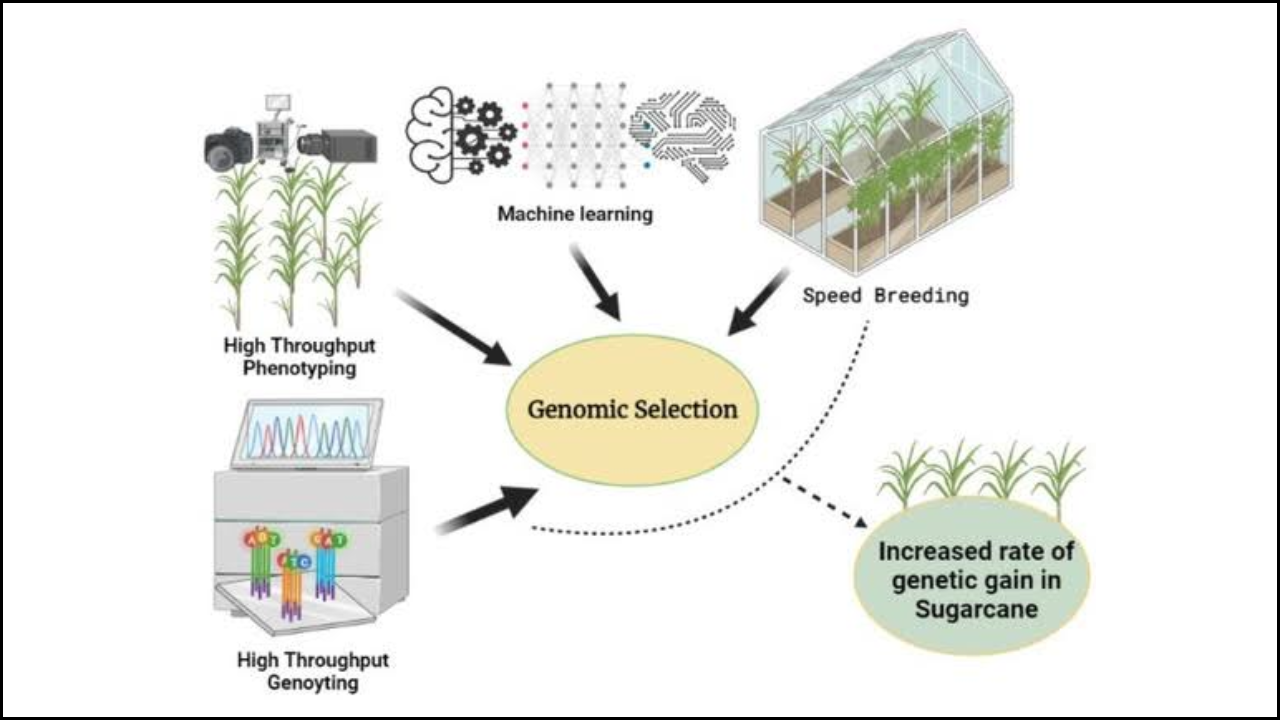
Genomic selection uses genome-wide markers to predict breeding values, enabling simultaneous improvement of multiple traits. This approach is particularly useful for complex traits like yield, where many small-effect genes collectively influence performance.
Environmental Interaction
Yield-related traits are influenced by genotype × environment interactions. Mapping programs often incorporate data from multiple growing conditions to capture these effects. QTLs with consistent performance across environments are prioritized for breeding, while environment-specific loci can be targeted for stress-adapted varieties.
Understanding environmental interactions ensures that improved rice varieties perform reliably under diverse conditions, supporting food security in variable climates.
Breeding Implications
Genetic mapping accelerates the development of high-yielding rice cultivars by identifying key loci and markers for selection. Breeders can combine multiple favorable alleles, reduce linkage drag, and predict progeny performance with greater accuracy. Mapping also enables the incorporation of stress-resilient traits without compromising yield.
By strategically selecting parental combinations based on genetic knowledge, breeders can optimize both productivity and stability in new rice varieties.
Future Prospects
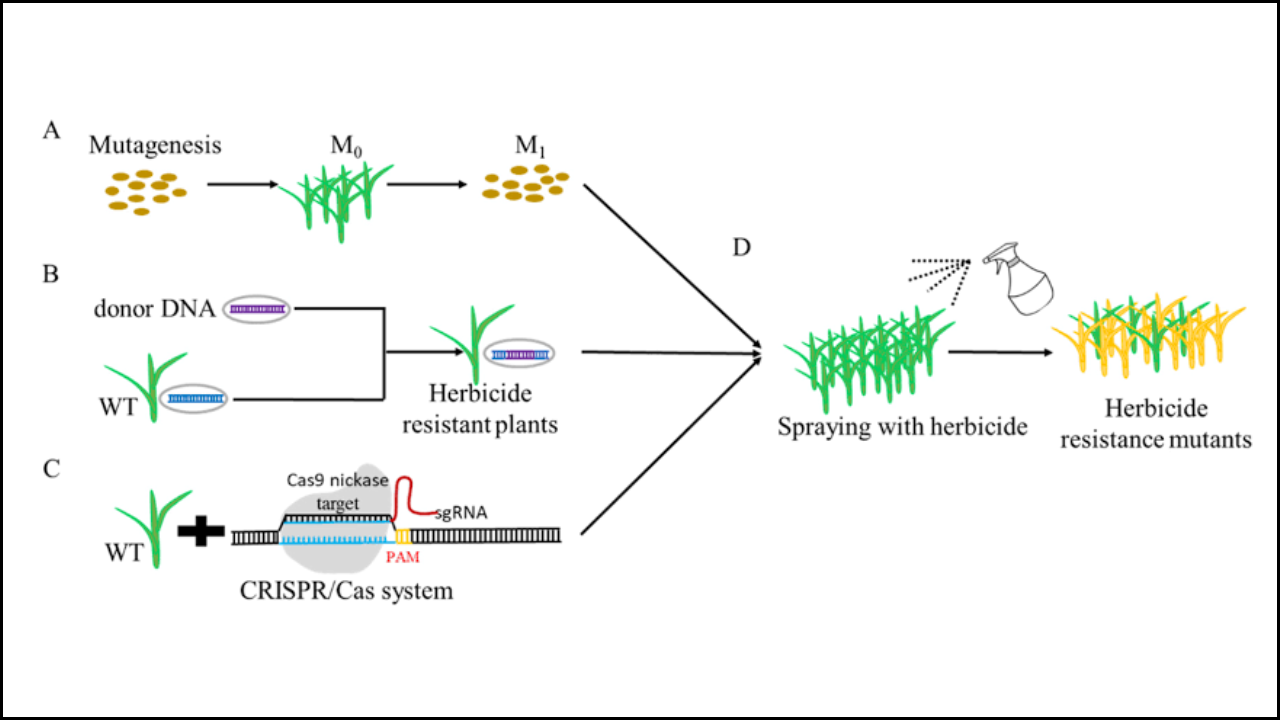
Emerging technologies such as CRISPR-based gene editing, high-throughput phenotyping, and genomic prediction promise to enhance the utility of genetic mapping. Precise manipulation of candidate genes identified through mapping will allow breeders to develop tailored varieties that maximize yield under specific environmental conditions.
Integrating molecular tools with traditional breeding approaches ensures that genetic mapping remains a cornerstone of sustainable rice improvement programs.