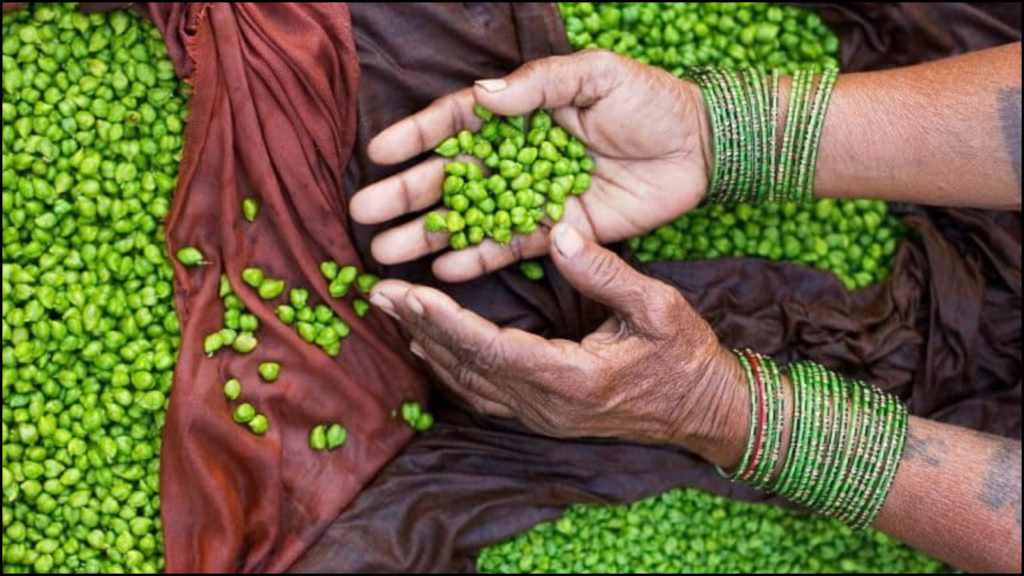
Genetic diversity is a cornerstone of crop resilience, productivity, and adaptive potential. In chickpea (Cicer arietinum) production systems, genetic variation enables breeders and farmers to respond to evolving environmental stresses, disease pressures, and market demands. Turkey is one of the primary centers of chickpea diversity and origin, hosting a wide array of local landraces and modern cultivars adapted to varied climatic regions. Assessing and preserving this diversity is essential for sustaining chickpea production, improving yield stability, and securing future food security.
This article examines the genetic diversity present in Turkish chickpea varieties, the factors shaping this diversity, its importance for breeding, and its implications for sustainable agriculture and crop improvement strategies.
Table of Contents
Chickpea Genetic Diversity in Turkey
| Aspect | Description |
|---|---|
| Diversity Sources | Landraces, cultivars, wild relatives |
| Morphological Traits | Seed size, color, growth habit |
| Molecular Variability | DNA-based markers and genotypes |
| Breeding Value | Yield, stress tolerance, quality |
| Conservation Needs | Gene banks and in situ preservation |
Origin and Diversity Sources
Turkey is situated within the Fertile Crescent, a region recognized as one of the primary centers of domestication for many crops, including chickpea. Chickpea genetic resources in Turkey include traditional landraces, wild relatives, and modern breeding lines. Local landraces are particularly valuable because they have evolved over generations under diverse environmental conditions, developing unique traits that allow adaptation to drought, heat, and soil variability.
These landraces exhibit remarkable variation in physical characteristics such as plant height, branching patterns, leaf morphology, seed size, and seed coat color. Wild relatives of chickpea, though less commonly used in direct cultivation, provide additional genetic reservoir traits such as pest and disease resistance, which are crucial for breeding programs aiming to improve crop resilience.
Morphological Variation
Morphological diversity in Turkish chickpea varieties is visible in several key traits. Seed characteristics vary widely, with some local types producing large seeds favored in certain markets, while others have smaller seeds that may be preferred for processing or specific culinary uses. Seed coat color also shows a range, including cream, beige, spotted, and darker hues, which influence market acceptance and nutritional profiles.
Plant architecture traits, including branching intensity, pod number per plant, and maturity timing, differ among varieties. Some landraces have indeterminate growth patterns, allowing flexibility in resource utilization, while others are more determinate, enabling synchronized flowering and easier mechanized harvesting. These morphological differences reflect historical selection by farmers and natural adaptation to localized growing conditions.
Molecular Diversity and Genetic Markers
Beyond observable traits, genetic diversity is revealed through molecular markers that profile DNA-level variation. Techniques such as Simple Sequence Repeats (SSRs), Single Nucleotide Polymorphisms (SNPs), and Amplified Fragment Length Polymorphisms (AFLPs) have been used in Turkish chickpea studies to quantify genetic diversity among varieties. These markers identify allelic variations that may not be discernible through morphology alone.
Molecular studies consistently show a high degree of genetic heterogeneity within and between Turkish landraces and breeding lines. This diversity is essential for breeding because it provides a broader genetic base from which to select traits such as improved drought tolerance, disease resistance, and nutrient efficiency. Genetic clusters identified in molecular analyses help researchers understand evolutionary relationships and design effective crossing strategies.
Breeding and Adaptation
Genetic diversity underpins breeding efforts aimed at enhancing chickpea productivity and stress tolerance. In Turkey, chickpea fields face challenges from terminal drought, temperature extremes, and soil nutrient limitations. Breeders leverage diversity by selecting lines that demonstrate superior performance under local stress conditions. Traits such as early maturity, deep rooting systems, and efficient water use are often associated with landraces adapted to marginal environments.
Modern breeding programs cross diverse genotypes to combine favorable traits into elite cultivars. For instance, incorporating alleles associated with Ascochyta blight resistance or improved nitrogen fixation enhances varietal performance. Genetic diversity ensures that breeders have a reservoir of adaptive traits to respond to future challenges, including climate change impacts and emerging pest pressures.
Yield and Quality Traits
Yield stability and grain quality are key targets in chickpea improvement. Genetic variation influences components such as pod number, seed weight, and harvest index. Large-seeded varieties often fetch premium prices but may be less resilient under stress conditions compared to smaller-seeded types adapted to dryland agriculture. Balancing yield with quality traits like protein content and cooking performance requires genetic variation.
Protein concentration and micronutrient content also show genetic variation across Turkish chickpea varieties. Breeding for enhanced nutritional quality aligns with consumer preferences and public health goals. Genetic diversity allows breeders to combine high-yield traits with enriched nutritional profiles that contribute to dietary security.
Conservation Strategies
Preserving genetic diversity requires both ex situ and in situ conservation strategies. Ex situ conservation involves collecting and storing seeds in gene banks where genetic material is safeguarded against loss. Turkey’s national gene banks, as well as international repositories, maintain extensive chickpea accessions representing landraces and wild relatives.
In situ conservation ensures that traditional varieties continue to be cultivated in farmers’ fields. This approach maintains genetic diversity within ecological and cultural contexts, supporting ongoing adaptation. Encouraging farmers to grow diverse landraces and integrating them with modern cultivars supports dynamic conservation and local food systems.
Challenges to Diversity
Despite its value, genetic diversity faces erosion due to factors such as the replacement of landraces with uniform high-yielding varieties, habitat loss, and climate change. Modern agriculture’s focus on a narrow set of commercial cultivars can reduce the genetic base available for future improvement. Protecting genetic resources requires deliberate policy support, community engagement, and sustainable seed systems.
Climate variability adds complexity by altering selection pressures and creating novel stresses. Maintaining diverse gene pools helps ensure that varieties capable of adapting to changing conditions are available for future breeding cycles.
Socioeconomic and Cultural Dimensions
Chickpea diversity in Turkey is intertwined with local farming traditions and food cultures. Different regions have distinctive preferences for chickpea types tailored to traditional dishes and processing methods. This cultural dimension supports genetic diversity by sustaining varied local demand and encouraging the cultivation of specific landraces.
Farmers’ knowledge and seed exchange networks also play crucial roles in maintaining diversity. Seed sharing between communities and regions spreads unique genotypes and supports genetic mixing. Recognizing and valuing farmer-managed diversity is essential for holistic conservation efforts.
Research and Development Opportunities
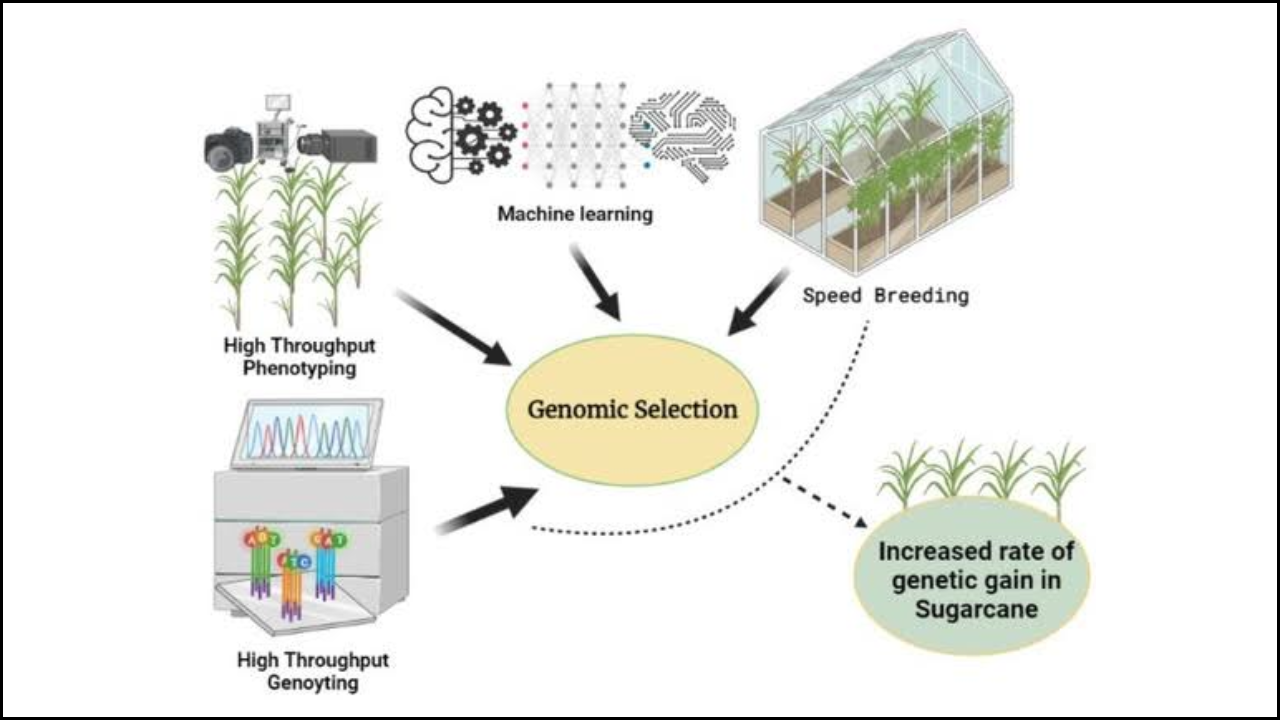
Ongoing research into the genetic basis of adaptive traits offers opportunities for precision breeding. Genomic selection and marker-assisted breeding accelerate the development of improved varieties by linking desirable traits with identifiable genetic markers. Collaboration between research institutions, breeders, and farmers enhances the relevance and adoption of improved genotypes.
Investments in phenotyping platforms, field trials across diverse environments, and participatory breeding approaches strengthen the effectiveness of diversity utilization. Integrating traditional knowledge with advanced genetic tools supports resilient chickpea systems.
The Bottom Line
Genetic diversity in Turkish chickpea varieties represents a valuable resource for crop improvement, resilience, and sustainable agriculture. By preserving and utilizing this diversity, breeders can develop cultivars that meet agronomic challenges and quality demands. Maintaining a broad genetic base through conservation, research, and farmer participation ensures that Turkish chickpea production remains robust and adaptable in the face of evolving environmental and socioeconomic conditions.