Maintaining healthy soil is essential for sustainable crop production, particularly in intensive agricultural systems. Continuous cultivation and heavy input use often degrade soil structure and reduce biological activity. The utilization of cover crops offers an effective strategy to restore soil vitality while supporting long-term productivity.
Cover crops are grown primarily to protect and improve the soil rather than for harvest. By improving physical, chemical, and biological soil properties, cover crops contribute to resilient farming systems and enhanced crop performance in subsequent seasons.
Table of Contents
Overview: Cover Crop Benefits for Soil Health
| Soil Aspect | Cover Crop Contribution |
|---|---|
| Soil Structure | Improves aggregation and stability |
| Organic Matter | Increases soil carbon |
| Erosion Control | Protects soil surface |
| Nutrient Cycling | Enhances nutrient retention |
| Biological Activity | Supports beneficial organisms |
Soil Protection
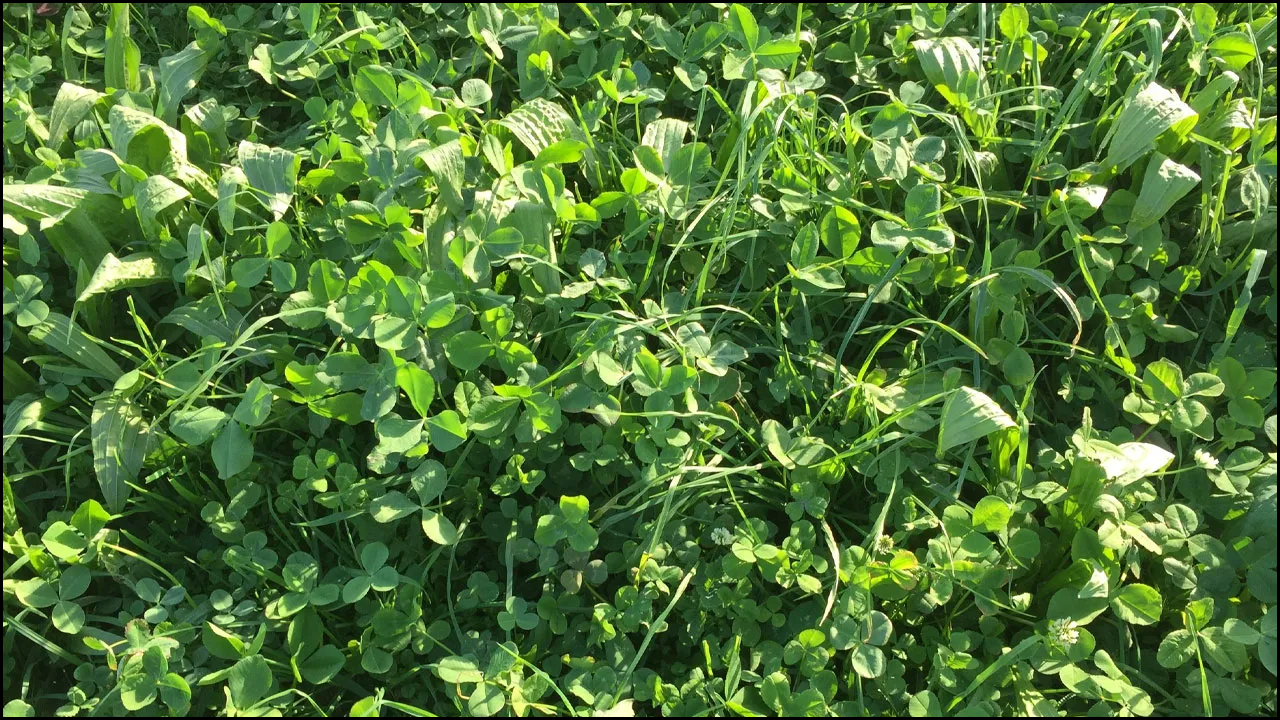
Cover crops provide continuous soil cover, protecting the surface from erosion caused by wind and rainfall. Bare soil is highly vulnerable to degradation, especially during off-season periods. Cover crops reduce soil particle movement and preserve topsoil integrity.
By shielding the soil surface, cover crops also moderate temperature fluctuations. Stable soil temperatures protect microbial communities and root systems, contributing to improved soil function and long-term health.
Organic Enrichment
Cover crops add organic matter to the soil through root biomass and surface residues. This organic input improves soil structure and supports nutrient retention. Diverse cover crop species contribute residues that decompose at varying rates, sustaining organic matter levels over time.
Increased organic matter enhances soil water-holding capacity and reduces compaction. Soils rich in organic material support healthier crop roots and improved nutrient availability.
Nutrient Cycling
- Capture of residual nutrients
- Reduced nutrient leaching
- Gradual nutrient release
- Improved nutrient efficiency
Cover crops play a vital role in nutrient cycling by capturing leftover nutrients after harvest. These nutrients are stored in plant biomass and released gradually as residues decompose. This process reduces nutrient losses and improves nutrient availability for subsequent crops.
Efficient nutrient cycling lowers fertilizer requirements and improves soil fertility. Over time, fields managed with cover crops show improved nutrient balance and enhanced crop performance.
Biological Activity
- Increased microbial diversity
- Enhanced earthworm populations
- Improved soil enzyme activity
- Strengthened soil food web
Cover crops stimulate biological activity by providing continuous root exudates and organic residues. These inputs support beneficial microorganisms responsible for nutrient cycling and soil structure formation. Enhanced biological activity improves overall soil functionality.
Healthy soil biology also contributes to disease suppression and improved nutrient uptake. Cover crops help create a balanced soil ecosystem that supports resilient crop growth.
Weed Suppression
Cover crops suppress weeds by competing for light, water, and nutrients. Dense cover crop stands reduce weed emergence and limit seed germination. This natural suppression decreases reliance on chemical herbicides.
Reduced weed pressure improves crop establishment and yield potential. Over time, consistent cover cropping lowers weed seed banks, supporting long-term weed management strategies.
Water Management
Cover crops improve soil infiltration and water retention through enhanced structure and root channels. Better infiltration reduces runoff and increases water availability to crops. Improved moisture retention supports crop resilience during dry periods.
Water management benefits are especially valuable in regions prone to drought or intense rainfall. Cover crops help stabilize soil moisture dynamics, improving crop performance under variable conditions.
Key Takeaways
The utilization of cover crops to enhance soil health offers multiple agronomic and environmental benefits. Improved soil structure, increased organic matter, enhanced nutrient cycling, and stronger biological activity contribute to resilient farming systems. By integrating cover crops into crop rotations, farmers can protect soil resources while supporting sustainable and productive agriculture.